Varicose Veins Stages: What Your Legs Are Trying to Tell You
If you've ever noticed twisting and bulging veins on the legs or noticed a persistent feeling of heaviness and discomfort after a hard time on the ground, then your body may be sending you a vital signal. Knowing how to recognize Varicose Veins Stages is not only beneficial for medical reasons, they are the initial step to getting back your comfort, confidence and overall vascular health.
A lot of people view early vein changes as cosmetic issues and seek treatment when the symptoms get severe. In reality, varicose veins progress in a pattern. Catching them early is the biggest difference.
What Are Varicose Veins?
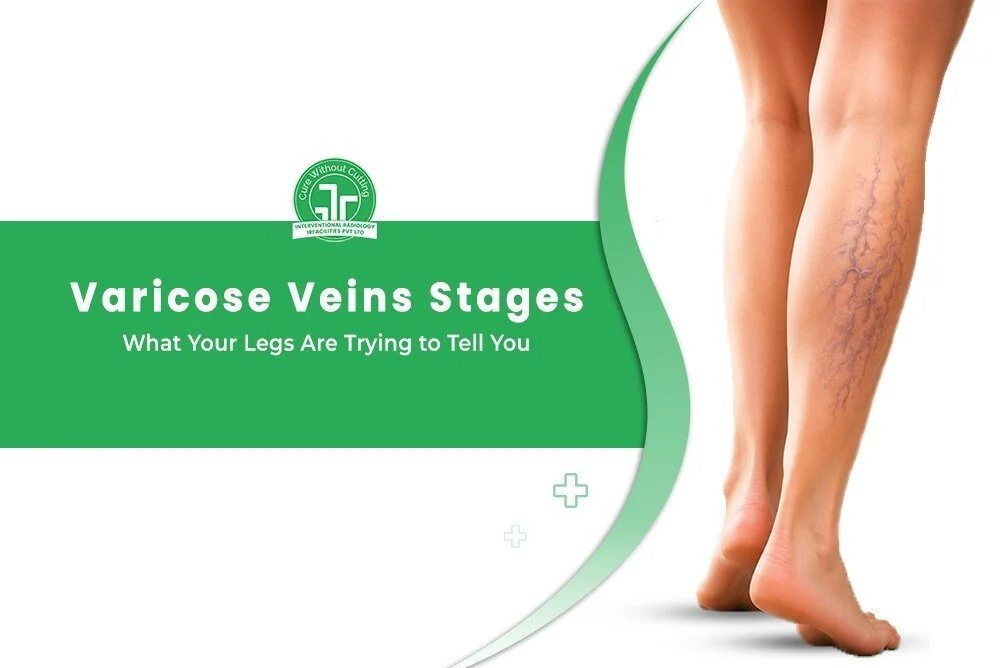
Varicose veins can be described as enlarged twisting veins that are seen typically on the feet and legs. They occur when the valves in your veins fail or weaken and blood clots instead of flowing efficiently into the heart. Although they are common in families, they can caused by standing for long periods or sitting or sitting, pregnancy, obesity and age.
What most people don't realize: varicose veins do not show up in the blink of an eye. They develop through distinct Varicose Veins Stages and each stage comes with the risk of its own symptoms and complications.
The 6 Varicose Veins Stages You Should Know
Medical experts classify chronic venous diseases with an CEAP classification system (C0-C6). This is a brief outline of each phase:
Stage C0 — No Visible Signs, But Symptoms Present
At this point there aren't any visible veins. However, you might experience legs fatigue, heavyness, or mild pain, especially towards the time you're done with your day. A lot of people overlook this phase completely, believing it's simply fatigue.
Stage C1 — Spider Veins Appear
Tiny blue, red or purple veins resembling webs (telangiectasias) start to show up close to an area of skin's surface. These are typically thought to be to be cosmetic, however they can be an early sign that venous pressure is rising under the skin's surface.
Stage C2 — Varicose Veins Become Visible
This is the time when the typical varicose veins symptoms become evident. Veins appear to be enlarged, thick and swollen over the surface. Itching, throbbing and cramping are common in this stage, particularly after prolonged standing.
Stage C3 — Leg Swelling (Edema)
The blood pooling process begins to push fluid into the surrounding tissues, leading to noticeable swelling of the lower leg and ankles. The swelling can increase during the day but decreases when you elevate your legs for the night. This stage is a significant shift from medical to cosmetic issue.
Stage C4 — Skin Changes Begin
The skin around the affected veins begins to change color getting darker, more and scaly or inflamed. Some people develop eczema-like patches. These patches indicate that veins underneath are in serious danger and that the tissue surrounding is undergoing constant stress.
Stage C5–C6 — Ulcers and Non-Healing Wounds
The most advanced Varicose Veins Stages. Venous ulcers on the leg — which are open sores that are painful appear close to the ankle. At Stage C5 the ulcer is healed and exists, but is at a higher chance of recurring. In Stage C6 there is an active ulcer visible. Without appropriate treatment these wounds may last for months before healing and are at the possibility for serious infections.
Why Acting Early Is the Most Powerful Decision You Can Make
The good news is that varicose veins when they are caught in their early stage, are easily treated. Treatments today are minimally injurious, extremely efficient, and are often done in one outpatient appointment. The delay until you reach Stage C5 or C6 is not just limiting the options for treatment, but also affects your quality of life.
The most important thing to ask can't be "Do I have varicose veins?" It's "Which stage are my varicose veins at?"
When to See a Specialist
It is recommended to consult an expert in vascular medicine when you are experiencing one of these symptoms:
- Leg swelling that is persistent and isn't going away when resting
- Hardening or discoloration of the skin around the ankles
- Visible larger veins that hurt or cause throbs
- Open wounds or sores close to the ankles which aren't healing quickly.
- Legs that are restless or heavy disturb your restful
Do not wait for a wound to develop before seeking treatment. A timely diagnosis can save time, money and most importantly, your health.
Expert Vein Care at IRFacilities
We are at IRFacilities Our team is committed to providing the most advanced, patient-centered treatment for vascular disorders using the most advanced diagnostic techniques and minimally invasive treatment. With the guidance of Dr Sandeep Sharma, patients receive precise diagnosis of their venous conditions and a personalized treatment plan that is designed to restore both function as well as confidence.
If you're in the stage C1 or you're navigating more advanced Varicose Veins Stages You deserve professional treatment. You need it now rather than later.
Ready to Discuss?
Share your symptoms and reports with our team. We help you understand whether you need treatment now or simple lifestyle changes and follow‑up.