TIPS Procedure – Minimally Invasive Treatment for Liver Conditions

Struggling with liver complications? Dr. Sandeep Sharma at IRFacilities provides expert, image-guided TIPS care.

Support in Insurance Claim
Collaborative Environment
Without Fabrication
Short Hospital Stay
4.9 Rating on Google

Key Benefits of TIPS DIPS Treatment

Minimally Invasive

Small incision procedure with minimal tissue damage, reducing pain and recovery time significantly.

Painless Procedure

Performed under local anesthesia with sedation, ensuring patient comfort throughout the procedure.

Quick Recovery

Faster healing process with reduced hospital stay compared to traditional surgical methods.

Improved Outcomes

Effective drainage with lower risk of complications.

Why Is the TIPS Procedure Necessary?

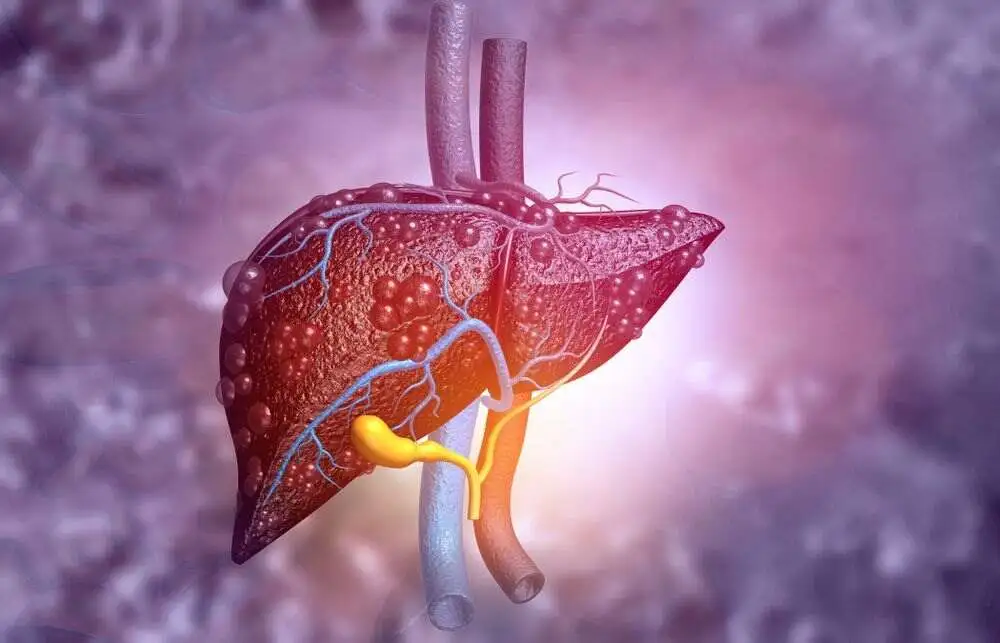
Cirrhosis is a slow process of scarring the liver, until it is so damaged that blood cannot flow through it easily. This backed-up blood can increase pressure in the portal vein, a condition known as portal hypertension. Clotting of the portal vein can cause the same condition, with or without liver disease.

If not treated, the repercussions increase:

  • Variceal bleeding Swollen esophageal or stomach veins rupture, causing rapid, dangerous internal bleeding.
  • Ascites The abdominal cavity is filled with fluid. cavity creating pain and a possibility.
  • Hepatic Encephalopathy Toxins that are not filtered enter the brain, affecting consciousness and thinking.

If these issues persist despite treatment, the TIPS method is the logical next step. It's not a last resort, but rather a targeted intervention.

Book Appointment
Why Is the TIPS Procedure Necessary
How Does the TIPS Procedure Work

How Does the TIPS Procedure Work?

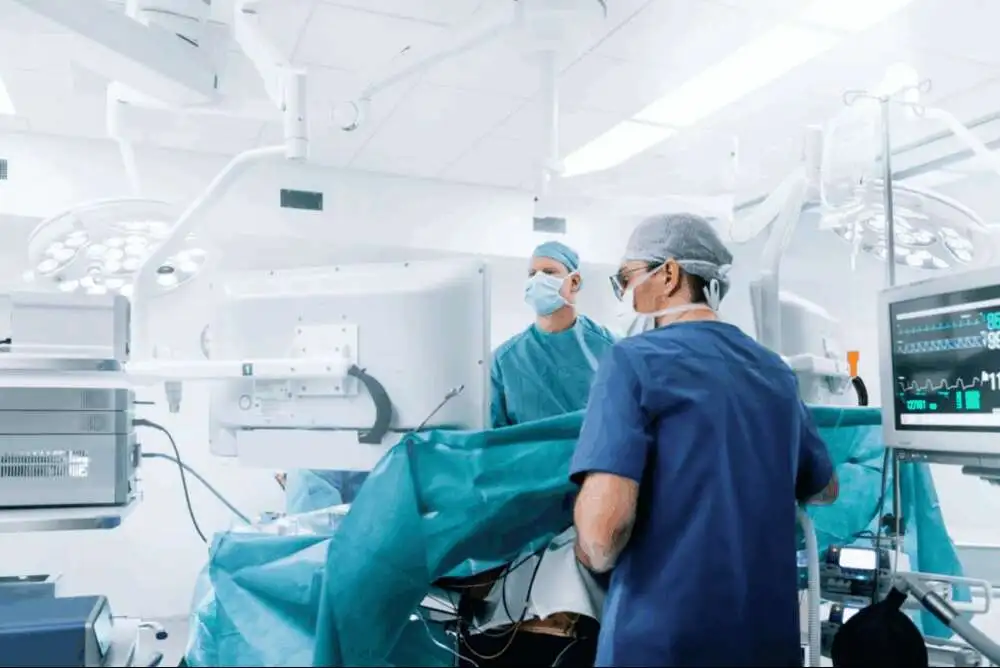
All of it happens via a tiny hole in your neck. There is no open surgery required. The catheter is inserted into the jugular vein. It is guided towards the liver using live fluoroscopy and ultrasound, a crucial part of TIPS Procedure Radiology Through the hepatic vein, it crosses the liver tissue until it reaches a venule, which creates an internal channel. A metal mesh TIPS Shunt is then inserted into the channel, creating a permanent shunt that allows blood to flow over the damaged tissue.

Contrast dye indicates proper blood flow and reduces pressure before the procedure is completed.

Dr. Sandeep Sharma at IRFacilities performs this procedure with high-resolution imaging guidance, ensuring the shunt is placed exactly throughout. The procedure can take anywhere from one to three hours while under general anesthesia or sedation.

Book Appointment
The benefits of the TIPS Procedure

The benefits of the TIPS Procedure

TResults following an effective TIPS are usually evident quickly and clearly.

  • Bleeding decreases significantly: Portal pressure drops and variceal bleeding are reduced or become much less frequent, providing important relief for patients with recurring episodes.
  • Ascites is now manageable: Many patients need fluid drainage less frequently. Some stop needing it entirely.
  • Hospital admissions decreas: Without recurring complications that keep patients in the hospital, life without a hospital is more feasible.
  • Stabilization of the transplant: For patients awaiting an organ transplant, TIPS ensures that complications are under control while a match for the donor is discovered.
  • The quality of life in the daily routine improves: Less fatigue, less discomfort, and improved performance overall. TIPS can't cure liver disease however it relieves a substantial burden of being a sufferer.
Book Appointment

Risks and Complications of the TIPS Procedure

TIPS Procedure Radiology plays an essential role in ensuring accurate placement of the TIPS Shunt, but the procedure can still carry risks.

Hepatic Encephalopathy is the more prevalent problem. The shunt weakens the liver's filtration role, allowing ammonia to reach the brain more rapidly. It can cause mild confusion to major cognitive changes, which are typically manageable through diet and medication.

Shunt malfunction- which is a narrowing or blocking over time-- can be detected by regular imaging follow-ups and is corrected using a different less invasive treatment.

Infection Internal bleeding, infection and the strain on the heart are not as common, but pose there are risks, particularly for those with problems with clotting or heart disease.

A thorough screening of the patient prior to the procedure helps keep the risks at bay. Not all patients with portal hypertension are ideal candidates for TIPS.

Risks and Complications of the TIPS Procedure

Recovery and Aftercare Post-TIPS Procedure

Recovery can be faster than open surgery -- however, consistent follow-up ensures that outcomes last.

Percutaneous Drainage

Image-guided catheter placement

Antibiotic Therapy

Targeted antimicrobial treatment

Catheter Management

Continuous drainage monitoring

Follow-up Care

Regular imaging and assessment

Most patients are admitted for between one and two days in hospital after the procedure. Liver function is assessed, the shunt is confirmed by imaging, and any early symptoms of encephalopathy are observed prior to discharge.

The first few weeks are marked by moderate fatigue and minor neck pain. It is difficult to exercise vigorously while your body adjusts.

At IR Facilities, Dr. Sandeep Sharma's team plans Doppler ultrasounds every three, six, and twelve months, and annually after that. Blood tests monitor kidney and liver function, and ammonia levels, frequently. Adjustments to diet or medicines like lactulose are available if required.

The follow-up procedure here isn't just an exercise in formality, but rather an active aspect in the process.

TIPS vs DIPS: Understanding the Difference

When it is about the health of your liver understanding the correct strategy is vital. We at Liver Therapy services offer simple-to-follow guidelines that will help you in maintaining your liver's function along with overall well-being. These tips offer practical suggestions regarding optimizing your diet, remaining active and implementing lifestyle changes that significantly improve your liver's health.

Alongside the helpful suggestions and helpful advice, we also use in addition to helpful tips, we use the DIPS procedure A structured approach that is designed to provide the highest quality treatment for liver diseases. This process focuses on accurate data gathering and processing, allowing health professionals to track the how they are progressing and to tailor their treatment plans. With the DIPS procedure it is possible to expect better, more consistent and efficient liver treatments which will result in better results.

We're here for you with our expert advice and a tried-and-true method to help support you in maintaining your health.

Book Appointment
TIPS vs DIPS Understanding the Difference (1)

Why Choose IRFacilities?

Over 20+ years of experience in interventional radiology
Over 20000+ Happy Patients
Expert team in liver interventions
50+ Qualified Doctors
State-of-the-art Equipment
24/7 Emergency Services
20+
Years of Experience
20000+
Happy Patients
95%+
Success Rate
50+
Qualified Doctors

What Our Patients Say

Hear from our patients about their experience with IRFacilities

R

Raj Kumar

"I'm from Delhi and, after struggling in portal hypertension for many years I finally went with the TIPS Procedure under Dr. Sandeep Sharma. The procedure was easy and my recovery took longer than I anticipated. The variceal bleeding diminished and I do not require fluid drainage as frequently. The service provided by IRFacilities was outstanding. It is highly recommended!"

Read More
A

Amrit Singh

"I'm Amrit Singh of Amritsar. I've suffered from portal hypertension for quite a while as well as the doctor Dr. Sandeep Sharma recommended the TIPS Procedure. The procedure was easy and I saw improvements in a matter of minutes. The variceal bleeding has diminished and I'm feeling much better. I am grateful thanks to the Dr. Sharma and the team at IRFacilities for their exceptional treatment!"

Read More
S

Simran Kaur

"I'm Simran Kaur, and I'm from Ludhiana. I was treated with an TIPS Shunt treatment under the supervision under Dr. Sandeep Sharma. The procedure was simple and my recovery rapid. My ascites is in control and I no longer require regular fluid drainage. I'm grateful for the treatment I received from IRFacilities. Highly recommended!"

Read More

Frequently Asked Questions

Common questions about TIPS DIPS Procedure

What is a Transjugular Intrahepatic Portosystemic Shunt?

It's an internal liver bypass — built to drop dangerous portal vein pressure before it triggers bleeding or fluid buildup. Dr. Sandeep Sharma at IRFacilities personally reviews every patient before recommending it.

What does radiology do in a TIPS procedure?

It guides everything. Live fluoroscopy and ultrasound track the catheter's exact path — from neck to portal vein — in real time. No large incision. No guesswork. Just precise, image-driven TIPS procedure radiology.

How long does a TIPS shunt last?

Years — if monitored properly. Stents narrow quietly over time, often before symptoms return. At IRFacilities, regular Doppler ultrasounds catch TIPS shunt narrowing early, when a simple fix is still all that's needed.

How is the DIPS procedure different?

TIPS enters through the neck. The DIPS procedure goes straight through the skin to the portal vein — used only when standard TIPS isn't possible. Dr. Sandeep Sharma decides which approach fits based on each patient's anatomy.

Is the TIPS procedure painful?

Not during — patients are under sedation or general anesthesia throughout. Afterward, mild neck discomfort and fatigue are normal for a few days. Most patients at IRFacilities are discharged within one to two days and recover comfortably at home.

Who is not a good candidate for TIPS?

Not everyone qualifies. Patients with severe heart failure, active liver infection, or advanced hepatic encephalopathy are typically not suitable. Dr. Sandeep Sharma at IRFacilities runs a thorough evaluation beforehand — ruling out risk factors before any decision is made.

How do I book a Tips & dips consultation?

3 simple steps:

Ready to Schedule Your Consultation?

Book your appointment today and take the first step towards expert Liver Abscess Drainage treatment

Chat with us