Biliary Drainage (PTBD) — Relieve Bile Duct Blockage Without Surgery

A blocked bile duct needs fast action. Get minimally invasive PTBD treatment at IRFacilities and recover within days

Support in Insurance Claim
Collaborative Environment
Without Fabrication
Short Hospital Stay
4.9 Rating on Google

Key Benefits of Biliary Drainage

Minimally Invasive

Small incision procedure with minimal tissue damage, reducing pain and recovery time significantly.

Painless Procedure

Performed under local anesthesia with sedation, ensuring patient comfort throughout the procedure.

Quick Recovery

Faster healing process with reduced hospital stay compared to traditional surgical methods.

Improved Outcomes

Effective drainage with lower risk of complications.

What Is Biliary Drainage?

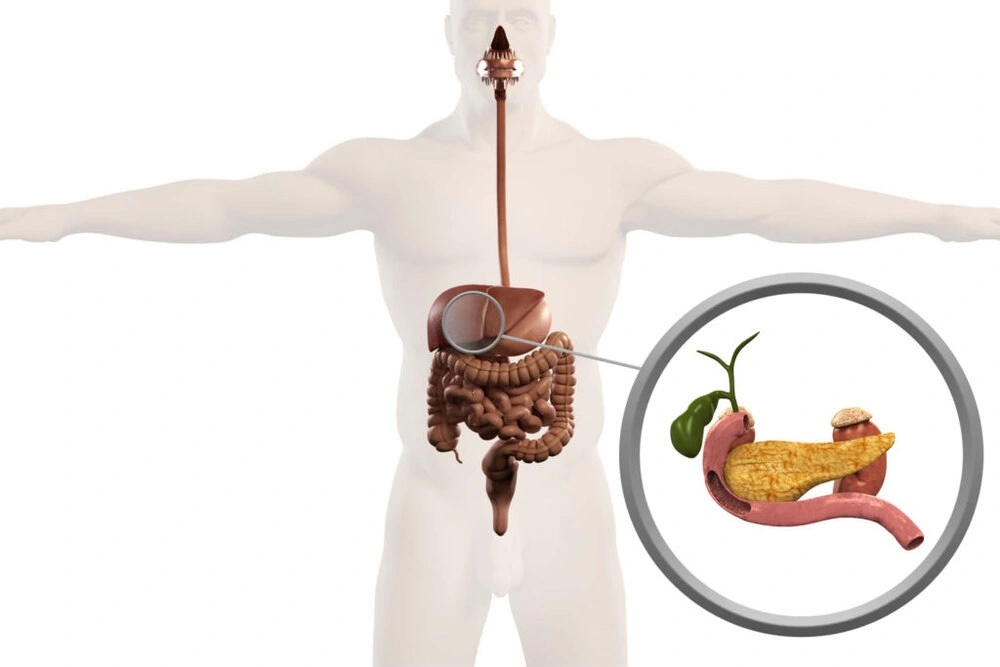
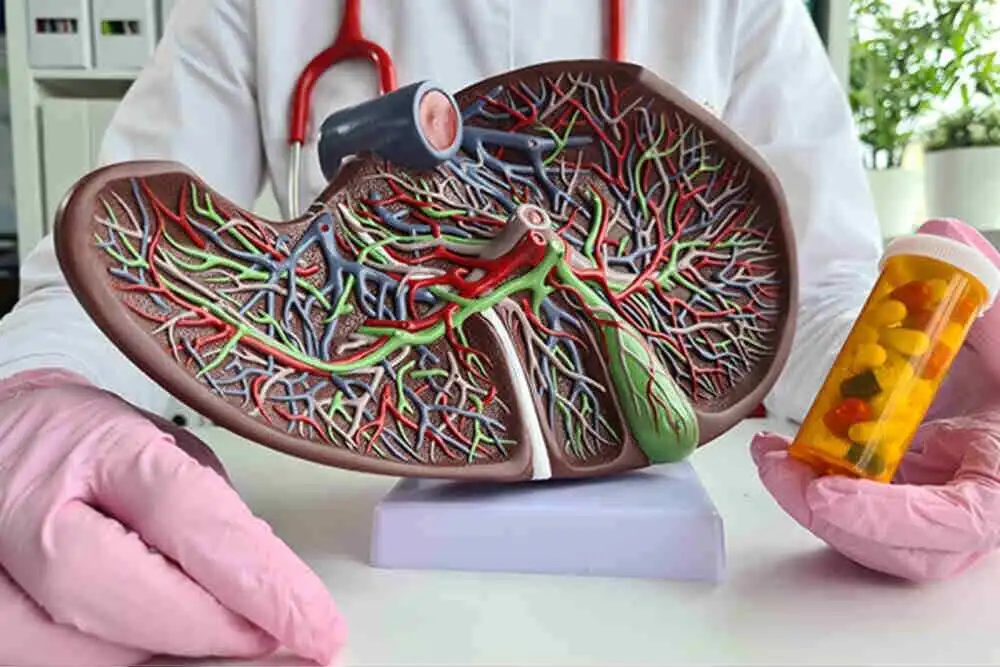
Bile is produced in the liver and travels through a network of ducts to reach the small intestine. When those ducts get blocked, bile backs up — and the liver takes the damage silently.

Biliary drainage is the procedure that fixes this. Also called PTBD — Percutaneous Transhepatic Biliary Drainage — it is a minimally invasive, imaging-guided technique where a thin catheter is placed directly into the blocked bile duct through the skin. No open surgery. No large incisions.

Once the catheter is in position, bile begins draining again — either into the intestine naturally or into an external collection bag, depending on the situation. In many cases, a biliary stent is placed inside the duct to hold it open and prevent the blockage from returning.

It is a precise procedure. And in the right hands, it works fast.

Book Appointment
What is Biliary Drainage
Why You Might Need Biliary Drainage

Why You Might Need Biliary Drainage

Most patients don't know their bile duct is blocked until jaundice appears. Skin turns yellow. Eyes follow. Urine darkens. These are signs that bile has stopped moving — and pressure is building inside the liver.

Biliary drainage is required in cases where the cause of the obstruction cannot be resolved swiftly by itself. Common causes include gallstones blocking the bile duct, bile duct obstruction due to stuck in the common bile duct tumors that press against or grow within the duct and post-surgical scar tissue that narrows the duct or inflammation that causes the structure to suffer damage over time.

Cholangitis — a bacterial infection of the bile duct — is the most urgent indication. Trapped infected bile causes high fever, severe abdominal pain, and can progress to sepsis within hours. Drainage is the intervention that stops that chain reaction.

Book Appointment
How Does Biliary Drainage Work

How Does Biliary Drainage Work?

The procedure follows a clear, step-by-step sequence — all done under live imaging guidance, with the patient mildly sedated rather than fully under anaesthesia.

A fine needle is then guided through the skin and into a dilated bile duct inside the liver — tracked in real time using ultrasound or fluoroscopy. Once the needle is correctly placed, a small amount of contrast dye is injected. This lights up the entire bile duct system on imaging and pinpoints exactly where the obstruction sits.

A thin wire is passed through the needle and advanced carefully through the blockage. The catheter follows the wire into position. If the anatomy allows, a biliary stent is deployed at this point — a small mesh cylinder that holds the duct open permanently, restoring natural internal bile flow.

The whole PTBD takes between 45 and 90 minutes. Most patients spend one to two nights in the hospital before going home.

Book Appointment

What Are the Different Types of Biliary Drainage?

The right type depends on where the blockage is, how complete the obstruction is, and what the patient's anatomy allows. Biliary drainage is not a single fixed approach — it is adapted case by case.

  • External drainage places the catheter above the blockage. Bile drains out through the tube into a collection bag worn outside the body. This is used when the duct is fully closed and internal flow cannot be established right away.
  • Internal drainage uses a biliary stent to bridge the obstruction and restore the natural path of bile flow — from the liver straight into the small intestine. No external bag. This is the preferred long-term solution for most patients.
  • Endoscopic biliary drainage (ERCP) goes through the mouth using a flexible scope — no skin puncture at all. It is preferred when the anatomy cooperates and access from above is straightforward.
What Are the Different Types of Biliary Drainage

What Are the Benefits and Risks of Biliary Drainage?

Percutaneous Drainage

Image-guided catheter placement

Antibiotic Therapy

Targeted antimicrobial treatment

Catheter Management

Continuous drainage monitoring

Follow-up Care

Regular imaging and assessment

The first thing patients notice after biliary drainage is that the yellowing starts to fade. Within two to three days of PTBD, bilirubin levels begin to drop. Skin tone normalises. The relentless itching that comes with bile buildup — it stops.

There is no large wound to heal. Recovery is short — most patients return to light activity within a week.

A small amount of bleeding around the site of the catheter is the most frequent problem that usually will go away by itself. An infection within the catheter or in the bile duct could be a possibility in particular when the drain isn't maintained in a proper manner at home. The catheter may change or become blocked in time, and could require replacement every couple of months.

Cholangitis remains a risk after the procedure if the drain becomes colonised. Patients are taught to monitor for fever and to flush the catheter regularly to prevent debris buildup.

At IRFacilities, Dr. Sandeep Sharma evaluates each patient’s imaging and condition before the procedure to minimise risks.

How Much Does Biliary Drainage Cost?

Cost is among the most frequently asked questions that patients and their families are asked. This is a valid query, and is deserving of a straight answer.

The PTBD procedure costs in India generally ranges from Rs40,000 to Rs1,20,000. What is the kind of drainage chosen, the stent's location is used or not, the number of sessions needed as well as the type of imaging employed for the procedure, and the infrastructure of the hospital and its location.

At IRFacilities, the PTBD procedure cost is discussed openly after the initial consultation. There are no hidden package charges and no estimate that shifts without explanation. What is quoted is what is charged.

Dr. Sandeep Sharma's team also assists patients coming from outside Chandigarh in structuring their care efficiently — reducing unnecessary hospital nights and repeated travel. If cost is a concern, raise it directly. The team will walk through what is clinically necessary and what can be planned around your situation.

Book Appointment
How Much Does Biliary Drainage Cost

Why Choose IRFacilities?

Over 20+ years of experience in interventional radiology
Over 10000+ Happy Patients
Expert team in liver interventions
50+ Qualified Doctors
State-of-the-art Equipment
24/7 Emergency Services
20+
Years of Experience
10000+
Happy Patients
95%+
Success Rate
50+
Qualified Doctors

What Our Patients Say

Hear from our patients about their experience with IRFacilities

R

Rakesh Verma

"My name is Rakesh Verma, I am from Ludhiana. My father had jaundice and blocked bile duct. Two hospitals gave us no solution. We came to IRFacilities, meet Dr. Sandeep Sharma and he explained the biliary drainage treatment in simple words. Next day procedure was done. Day two jaundice was already reducing. We went home on day three. Very satisfied with the treatment and care."

Read More
P

Priya Mehta

"My name is Priya Mehta, I am from Ambala. Blocked bile duct was detected in my reports. I was nervous about the procedure. Dr. Sandeep Sharma explained everything clearly before starting. Biliary drainage was done and I felt very little during it. Within three days my reports improved. IRFacilities team was helpful at every step. Good experience overall."

Read More
A

Amit Dhillon

"My name is Amit Dhillon, I am from Mohali. My mother had cholangitis, fever was very high. We rushed to IRFacilities. Dr. Sandeep Sharma checked her immediately and biliary drainage treatment was done same evening. Next morning fever was gone and she was stable. Team informed us at every step. We are very thankful for the fast treatment."

Read More

Frequently Asked Questions

Common questions about Biliary Drainage

Is biliary drainage a operative treatment?

This isn't surgical procedure. A tiny needle is inserted into the skin with live guidance from an imaging. No cuts, no stitches, no general anaesthesia. The majority of patients are moderately calm and relaxed throughout the procedure.

How long will the process will take?

The procedure lasts between about 45-90 minutes. Then you are allowed to take a break for a couple of hours. Most patients are home in one or two days based on how your body reacts.

Do I feel discomfort during my process?

The skin and the deeper tissues are treated with a numbing agent prior to beginning. In the course of treatment, most patients experience a slight pressure, but not acute pain. A little soreness at the insertion location is typical for one or two following the procedure, but this will disappear quickly.

Who requires this method?

Anyone suffering from a blocked bile passage or persistent jaundice, cholangitis or any other biliary disorder that do not improve by medication alone, should talk to an interventional radioologist. The earlier the diagnosis is made, the better the result.

How do I book a biliary drainage consultation?

3 simple steps:

Ready to Schedule Your Consultation?

Book your appointment today and take the first step towards expert Biliary Drainage

Chat with us