Flow Diverter Placement for Brain Aneurysms at IRFacilities

A minimally invasive, catheter-based procedure to safely treat large and complex brain aneurysms — with faster recovery, fewer risks, and expert care led by Dr. Sandeep Sharma.

Support in Insurance Claim
Collaborative Environment
Without Fabrication
Short Hospital Stay
4.9 Rating on Google

Key Benefits of Flow Diverter Placement Treatment

Minimally Invasive

Small incision procedure with minimal tissue damage, reducing pain and recovery time significantly.

Painless Procedure

Performed under local anesthesia with sedation, ensuring patient comfort throughout the procedure.

Quick Recovery

Faster healing process with reduced hospital stay compared to traditional surgical methods.

Improved Outcomes

Effective drainage with lower risk of complications.

What Is a Flow Diverter and How Does It Work?

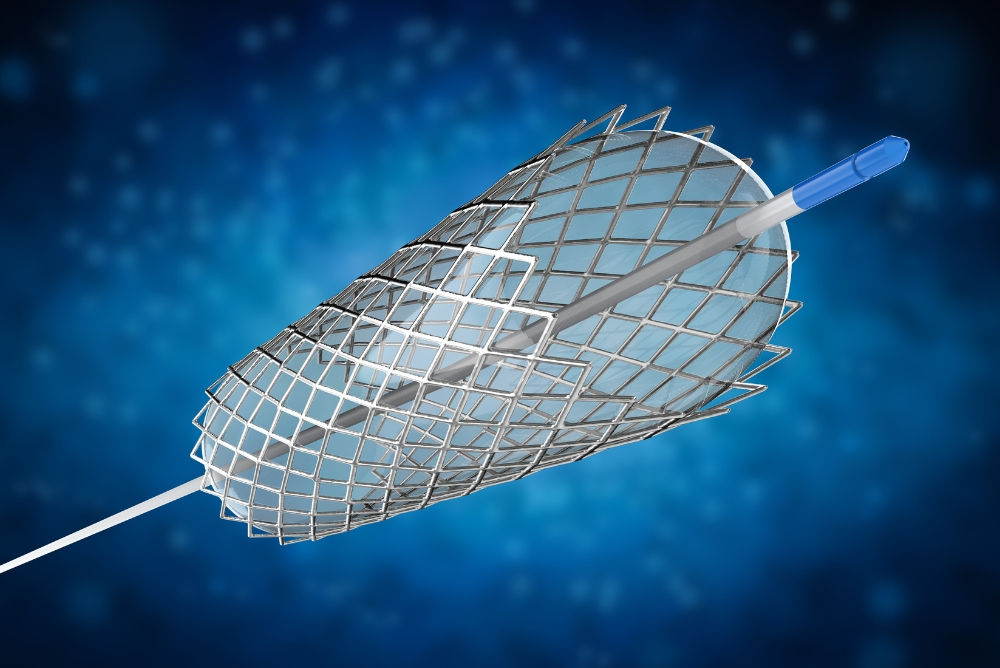
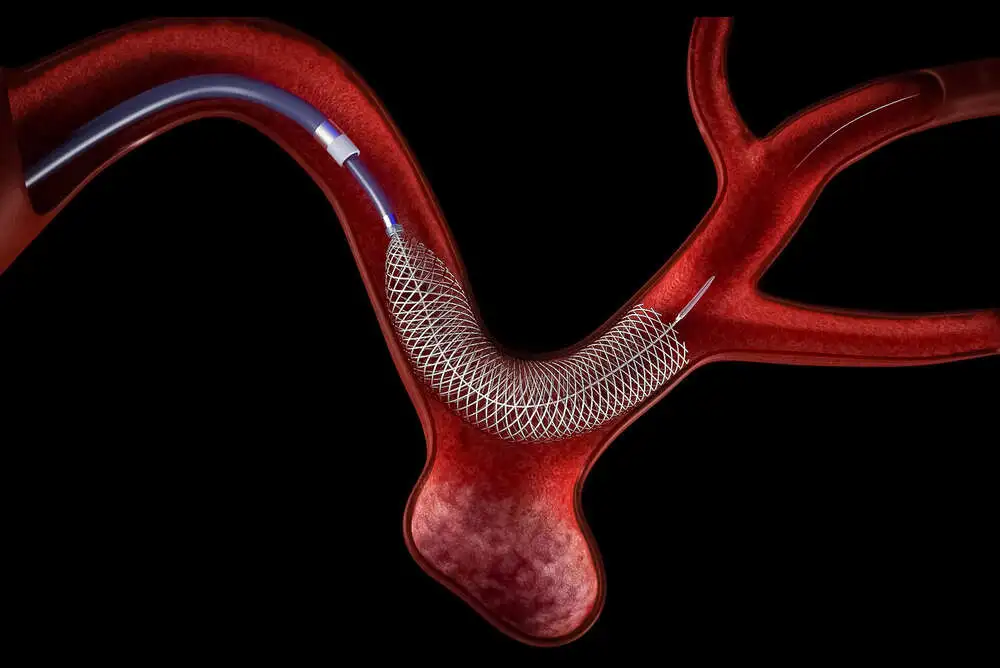
A flow diverter is a medical device used to treat brain aneurysms without major surgical intervention. It appears like a small mesh tube, which doctors place into blood vessels by making tiny cuts. The device alters blood flow in your brain, directing them away from the vulnerable area called an aneurysm

When blood ceases to flow into the aneurysm, the damaged area begins to heal over time. It is the body's healing mechanism that seals off weak spot and strengthens them. This prevents the dangerous rupture that could cause a stroke. Flow diverter stent devices are very small, making them easier to place inside blood vessels safely. High-flow diverter devices are the newest type available today and work better than older versions. Dr. Sandeep Sharma at IRFacilities specializes in placing these devices with excellent results for patients. Recovery from this treatment is faster than traditional brain surgery.

Book Appointment
What Is a Flow Diverter and How Does It Work
Cerebral Aneurysm Types and When Flow Diverter Placement Is Needed

Cerebral Aneurysm Types and When Flow Diverter Placement Is Needed

An aneurysm in the brain is a weakness in an blood vessel in your brain that expands outward by releasing blood. The bulge occurs due to the fact that the artery walls become thin and weak in the zone. The weak spot could burst and cause bleeding to the inside of your brain. This is extremely dangerous and requires immediate treatment.

Brain aneurysms are found in various sizes and positions throughout the head. Small ones are smaller than 10 millimeters. Medium ones range from 10 to 25 millimeters, while large ones are greater than 25 millimeters. The location matters because some spots are riskier than others depending on what brain parts are nearby. Flow diverter placement works very well for large aneurysms that other treatments cannot handle easily. Flow diverter placement is especially helpful for wide-neck aneurysms because they are difficult to treat with coils.

Book Appointment
Flow Diverter Types and Device Selection

Flow Diverter Types and Device Selection

Different flow diverter devices exist, and each one has special features that make it useful for different situations. The Pipeline device is very popular and has a long history of treating aneurysms successfully in many patients worldwide. The Surpass device is newer and has improved designs that work better for some difficult cases. The Fred device is another good option that combines different technologies to help treat brain aneurysms.

Each device is made differently and works in slightly different ways inside your brain. Pipeline devices are well-tested and proven to work reliably for many years in patients. Surpass devices have a braided mesh design that contacts the blood vessel wall better than some older devices. Fred devices combine multiple treatment approaches into one special device for complicated cases. Flow diverter stent options depend on your aneurysm size, shape, and location in the brain. High flow diverter devices are designed to handle the most complex and difficult aneurysm cases effectively.

Book Appointment

Flow Diverter Placement Procedure Step-by-Step

The flow diverter placement procedure is done by specially trained doctors who have years of experience in brain treatment. First, you receive medicine to help you sleep comfortably during the entire procedure so you feel no pain. The doctor makes a small opening in your groin area and puts a thin tube called a catheter into your blood vessel carefully.

The catheter moves through your blood vessels toward your brain, guided by special imaging cameras that show exactly where it needs to go. Once the catheter reaches your brain aneurysm, the doctor slowly places the flow diverter device to cover the weak spot completely. Flow diverter stent devices unroll smoothly and position perfectly to redirect blood away from the aneurysm safely. The whole flow diverter placement procedure usually takes about one hour from beginning to end. High flow diverter devices work reliably and deploy very smoothly during the procedure without problems. Dr. Sandeep Sharma performs this procedure with excellent skill and precision every time.

Book Appointment
Flow Diverter Placement Procedure Step-by-Step

Benefits, Risks, and Follow-up Care After Treatment

Flow diverter treatment gives you important benefits that improve your life significantly after successful placement. The aneurysm is completely healed over time and the risk of rupture is gone forever. You can resume your regular routines, activities and leisure without having to worry about bleeding to your brain that occurs suddenly. Your peace of mind will return since you are aware that the weakness is now secure and healing.

Treatment does carry some small risks, but serious problems are very uncommon in experienced hands. Blood clots might form in the device, but doctors prevent this with special blood-thinning medicines you take. Brain swelling occasionally happens but gets better quickly with proper medical care and monitoring. Temporary headaches may occur while your brain heals but fade away within a few weeks. Flow diverter placement benefits greatly outweigh the very small risks when done by expert doctors. High flow diverter devices have excellent safety records in published medical studies and patient outcomes.

Book Appointment
Benefits, Risks, and Follow-up Care After Treatment

Cost of Flow Diverter Placement and Specialist Selection

Flow diverter placement costs vary depending on where you get treatment and what your specific medical needs are. The device itself costs between ₹1,50,000 and ₹2,50,000 depending on which type you need for your situation. Hospital charges add approximately ₹2,00,000 to ₹4,00,000 depending on the hospital and the complexity of your case. Imaging scans and tests add around ₹50,000 to ₹1,00,000 to your total costs. Your total treatment usually costs between ₹4,00,000 and ₹7,50,000 depending on your specific situation.

Pricing for flow diverter stents is contingent on the type of device and your specific medical needs. Insurance usually covers this type of treatment as a medically needed procedure, which can cut the cost of treatment significantly. Flexible financing plans and payment plans options make treatment more affordable for the majority of people, including their families. . Dr. Sandeep Sharma at IRFacilities gives you honest pricing information without hidden costs or surprises.

Book Appointment
Cost of Flow Diverter Placement and Specialist Selection

Why Choose IRFacilities?

Over 20+ years of experience in interventional radiology
Over 10000+ Happy Patients
Expert team
50+ Qualified Doctors
State-of-the-art Equipment
24/7 Emergency Services
20+
Years of Experience
10000+
Happy Patients
95%+
Success Rate
50+
Qualified Doctors

What Our Patients Say

Hear from our patients about their experience with IRFacilities

M

Manpreet Kaur

"My name is Manpreet Kaur, and I'm from Amritsar in Punjab. Bad headaches were hurting me every single day for a very long time. Doctors found a serious brain problem that needed treatment right away. Dr. Sandeep Sharma at IRFacilities did an FD procedure for me successfully. Surgery worked very well and recovery was fast. My headaches stopped completely, and I feel good now. My health came back to normal. Thank you IRFacilities Hospital."

Read More
R

Rajesh Reddy

"My name is Rajesh Reddy and I'm from Hyderabad in Telangana. Dizziness and bad vision were making my life very hard and stressful. Hospital doctors found serious brain issue that needed immediate surgical help. FD treatment was done by Dr. Sandeep Sharma and worked perfectly. Recovery was fast and easy without any problems at all. I walk normally now and pain went away completely. Life is happy again. IRFacilities is excellent hospital."

Read More
S

Sapna Gupta

"My name is Sapna Gupta, and I'm from Jaipur in Rajasthan. Sudden bad pain scared me and made me very worried about my health. Doctors said I needed brain help and surgery to fix the problem. FD procedure was done by Dr. Sandeep Sharma very carefully and safely. Treatment went smoothly, and pain stopped very fast after surgery. I feel strong and healthy now with lots of energy. Work resumed easily. The family is very happy. Thanks IRFacilities."

Read More

Frequently Asked Questions

Common questions about Flow Diverter Placement

What is a flow diverter?

The FD is a tiny mesh tube inserted into the blood vessels in the brain. It blocks blood flow into weak aneurysm areas. The aneurysm will heal with time and is safe.

What happens if the FD procedure hurts during treatment?

You do not feel any pain throughout the FD procedure, under anesthesia. You don't feel any pain during surgery. Pain during recovery is not as severe and is easily controlled by medication.

How long should I have to stay in the hospital?

The majority of patients go home the next day following an FD procedure. Hospital stays are usually one night. The patient recovers quickly at home with enough relaxation and treatment.

How will I feel normal following FD?

Absolutely, many patients are completely normal after several weeks. Dizziness and headaches go away completely following healing. The energy levels return, and your life can resume as normal very quickly.

Will I need more than one sessionWhen can I be back at work?

You will be able to return to work in between two and three weeks. Work that is gentler starts earlier than physical labor that is strenuous. Your doctor will determine the precise time frame depending on your progress in recovery.

Will I require appointments with a doctor after FD?

Yes, regular appointments and imaging are vital to heal. Imaging occurs at six-month and one-year intervals. Regular monitoring helps ensure that all is well and remains secure.

How do I book a AVM Treatment consultation?

3 simple steps:

Ready to Schedule Your Consultation?

Book your appointment today and take the first step towards expert Flow Diverter Placement

Chat with us
IRFacilities | AI Medical Chatbot

IRFacilities Support 24/7

👋 Welcome to IRFacilities! How can I assist you today?
Just now