Splenomegaly Treatment by Dr. Sandeep Sharma

A minimally invasive way to treat an enlarged spleen — lowering bleeding risk, easing symptoms, and speeding up recovery, under the expert care of Dr. Sandeep Sharma at IRFacilities.

Support in Insurance Claim
Collaborative Environment
Without Fabrication
Short Hospital Stay
4.9 Rating on Google

Key Benefits of Splenomegaly Embolisation Treatment

Minimally Invasive

Small incision procedure with minimal tissue damage, reducing pain and recovery time significantly.

Painless Procedure

Performed under local anesthesia with sedation, ensuring patient comfort throughout the procedure.

Quick Recovery

Faster healing process with reduced hospital stay compared to traditional surgical methods.

Improved Outcomes

Effective drainage with lower risk of complications.

What Is Splenomegaly and Why It Matters

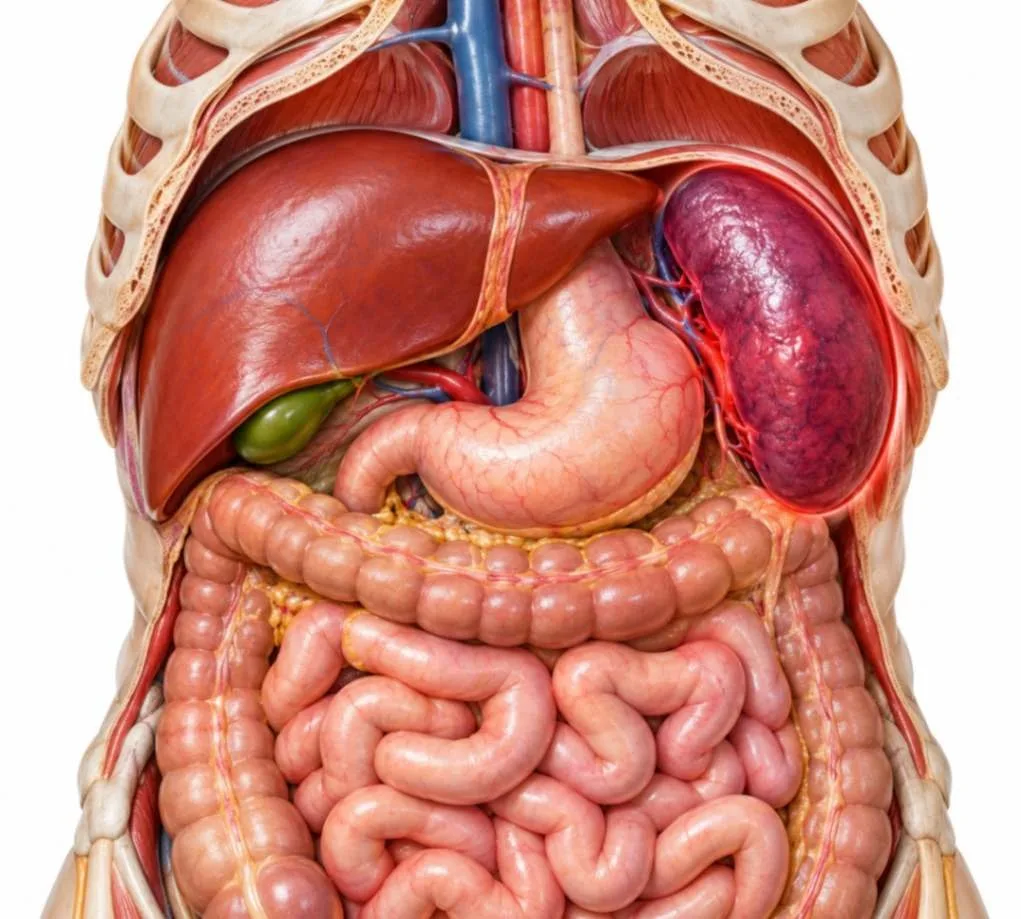
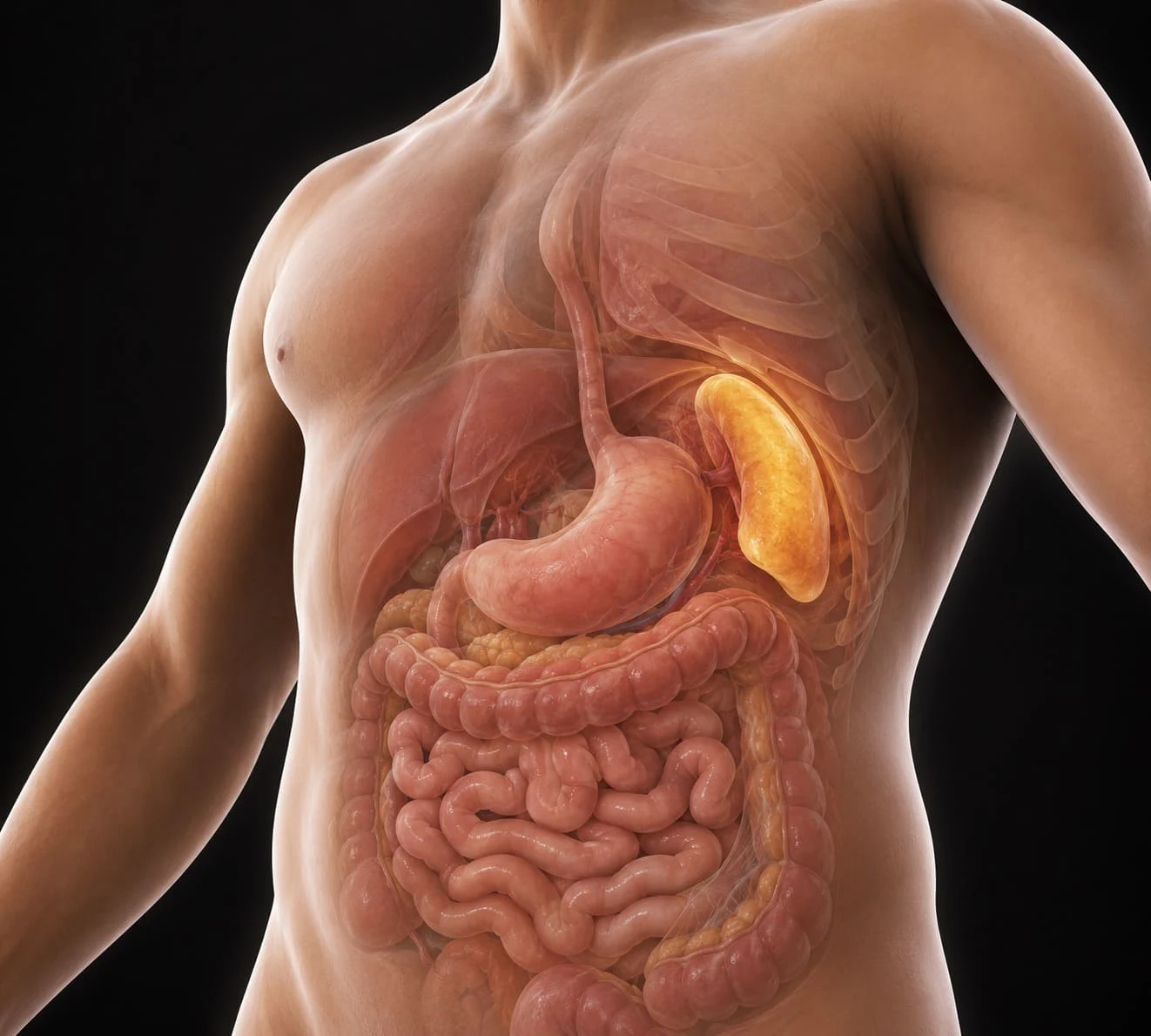
The spleen filters blood and fights infections. If it becomes too large, the doctors refer to this as splenomegaly. The spleen can be fragile, and one small bump or fall can cause it to rupture and cause rapid, deadly internal bleeding. The splenomegaly patient often experiences continuous fatigue, pain, and weakness as the blood count falls. Splenomegaly causes differ widely; generally, it's a symptom or symptom of something more, such as an illness, liver disorder, or blood disease. Recognizing the root cause will be the very first step towards the proper treatment. If it is not addressed, it could become dangerous quickly. Dr. Sandeep Sharma at IRFacilities manages every patient suffering from splenomegaly with the least invasive method of embolisation. It is an effective method to reduce the size of the spleen while protecting long-term health.

Book Appointment
What Is Splenomegaly and Why It Matters
Recognizing the Symptoms and Getting an Accurate Diagnosis

Recognizing the Symptoms and Getting an Accurate Diagnosis

A spleen that is enlarged grows gradually, and many people do not feel it until a physician is able to check. The splenomegaly patient might experience discomfort in the left upper stomach, feeling full after eating small meals, or having more frequent bruising than normal. Gum bleeding, nosebleeds, inability to breathe, and constant fatigue are all common. Since these signs indicate various possible reasons for splenomegaly, it is important to test. The doctor will usually begin using an ultrasound CT scan to assess the size of the spleen, followed by blood tests that test for white cells, red cells, and platelets. These results together show what's actually happening. Don't ignore the symptoms - The doctor. Sandeep Sharma at IRFacilities provides a complete evaluation of each splenomegaly patient in order to determine the root cause and recommend the appropriate treatment.

Book Appointment
What Causes Splenomegaly

What Causes Splenomegaly

A variety of conditions can be reasons for splenomegaly. Tuberculosis, mononucleosis, malaria, hepatitis, or tuberculosis are typical triggers, since the spleen fights against them. Blood disorders like leukemia and sickle cell disease affect the spleen as well and force it to expand. Liver diseases, such as cirrhosis, increases pressure in the blood vessels that supply the spleen and causes swelling - one of the more frequent cases of splenomegaly causes seen by doctors. Certain cancers, autoimmune diseases, or heart failure, as well as certain medications, may cause it to grow further. Since the causes vary greatly and there are no two instances of splenomegaly patient are alike. Doctor. Sandeep Sharma at IRFacilities conducts a thorough, individual assessment for each patient with a splenomegaly; thus, treatment focuses on the underlying cause, not just the symptoms.

Book Appointment

How Splenomegaly Embolisation Works

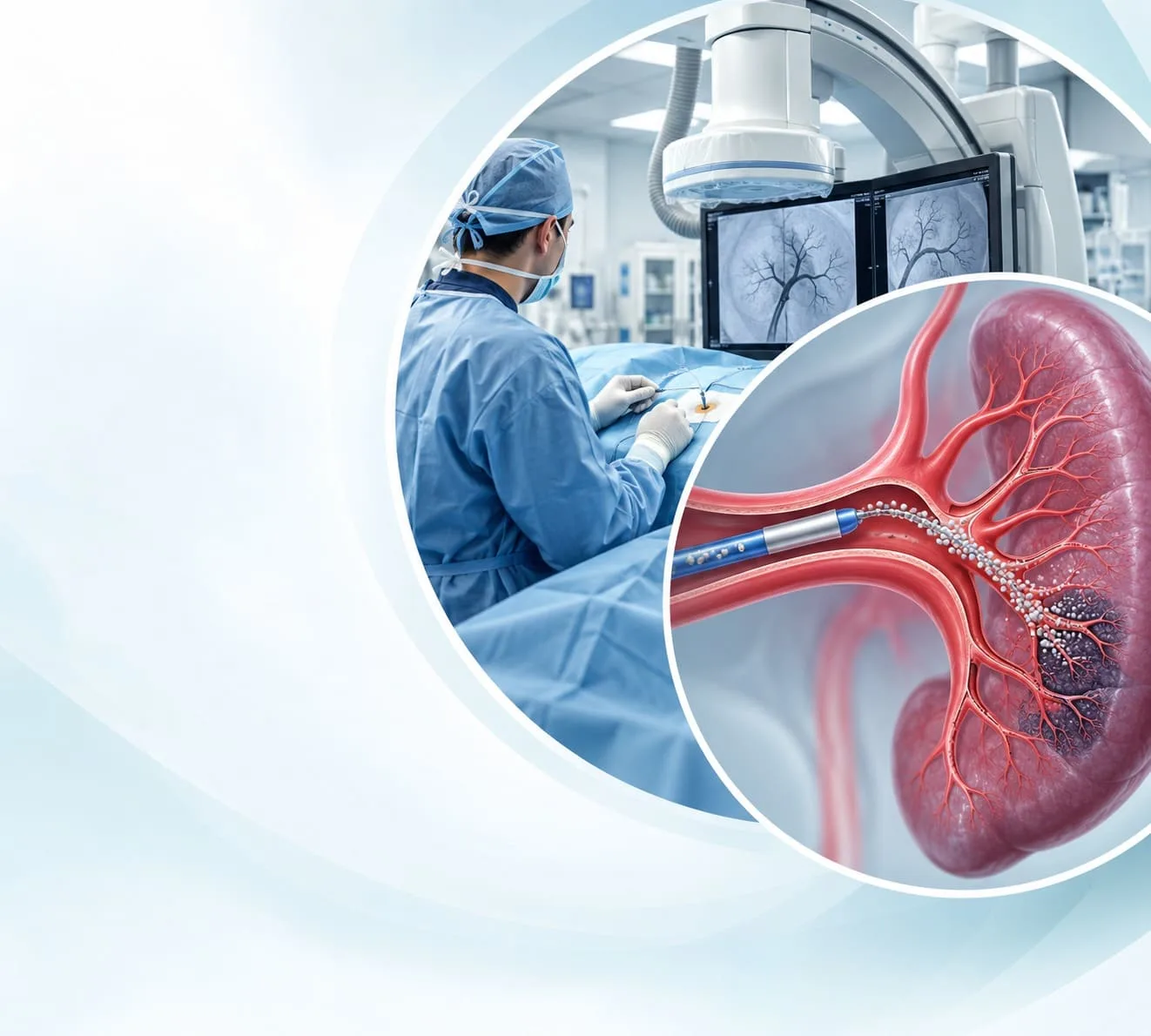
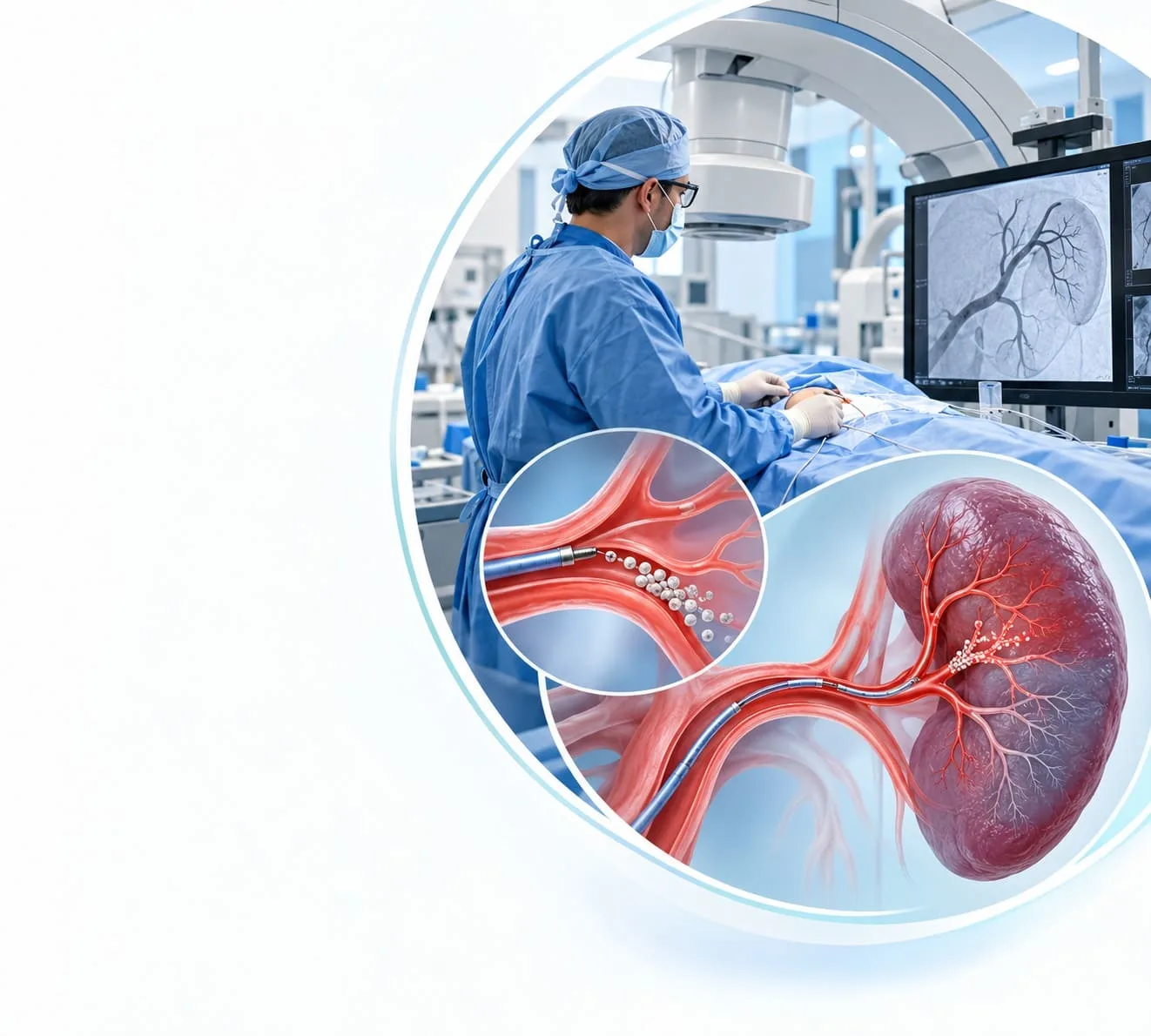
Splenomegaly embolisation can be a minimally invasive procedure that reduces the spleen without harming it. The procedure begins by numbing the region, ensuring that the patient is in a relaxed and alert state throughout. A thin catheter is then inserted through a small hole inside the lower groin. Utilizing live imaging, surgeons thread the catheter directly to the blood vessels that feed the spleen. Tiny particles are released to hinder blood flow to specific regions. In the following weeks, the tissue begins to shrink in its own way, easing pressure and reducing bleeding risk dramatically. The majority of patients experience only minor discomfort and leave within the next day. Dr. Sandeep Sharma at IRFacilities does this procedure with exact imaging, which gives each splenomegaly patient consistent, secure results.

Book Appointment
How Splenomegaly Embolisation Works

Recovery and Long-Term Benefits

Recovery is usually quick for a splenomegaly patient. In most cases, bleeding episodes and pain diminish over the course of a few days. The majority of patients return home within the same day, with an overnight stay required only infrequently. The soreness can be mild and can be treated by taking medications. A brief, mild fever is normal and a part of healing and not something to be concerned about. In time, the majority of patients require fewer transfusions as blood count levels level out and energy is restored. The, Dr. Sandeep Sharma tracks progress on follow-up visits and checks the size of the spleen and blood counts throughout the process. Splenomegaly causes that are underlying keep getting treated along with the recovery. Patients generally feel better within a couple of weeks, but with steady improvement following that.

Book Appointment
Recovery and Long-Term Benefits

Why Choose IRFacilities?

Over 20+ years of experience in interventional radiology
Over 10000+ Happy Patients
Expert team
50+ Qualified Doctors
State-of-the-art Equipment
24/7 Emergency Services
20+
Years of Experience
10000+
Happy Patients
95%+
Success Rate
50+
Qualified Doctors

What Our Patients Say

Hear from our patients about their experience with IRFacilities

R

Rajesh Malhotra

"I'm Rajesh Malhotra from Panchkula. Had an enlarged spleen for over a year -- pain, tiredness, the whole thing. Went to IRFacilities and met Dr. Sandeep Sharma; he explained the embolisation option properly, not in a rush like some doctors. The procedure went fine, was back home the same evening. Feeling much better now, thank you, doctor."

Read More
A

Anita Kapoor

"I'm Anita Kapoor from Karnal. Was getting bruises for no reason and always felt low on energy, took a while to figure out it was my spleen. Dr. Sandeep Sharma at IRFacilities went through my reports patiently and answered all my silly questions too. Honestly expected it to be a bigger ordeal but recovery was smooth. Really thankful."

Read More
V

Vikram Chauhan

"I'm Vikram Chauhan from Ambala. Nosebleeds and stomach discomfort had become almost normal for me before this. At IRFacilities, Dr. Sandeep Sharma looked at my case and suggested embolisation instead of surgery, which I was dreading. Quick procedure, minimal downtime, symptoms started improving in just a few days. Would recommend him to anyone dealing with the same issue."

Read More

Frequently Asked Questions

Common questions about Splenomegaly Embolisations

What Are splenomegaly embolisations an important surgery?

No. It's a minimally invasive catheter-based procedure done through tiny access points within the groin. There's not a large cut, and patients are usually discharged within the next day.

Will the procedure be painful?

The area is soothed by local anesthesia prior to the procedure therefore, discomfort is not severe. The slight soreness that follows is normal and can be controlled by taking medication.

How long will recovery take?

The majority of patients return to normal activity within one week. The complete shrinkage of the spleen occurs gradually over a period of time when blood flow to the affected area is reduced.

Does embolisation address the root causes of my large spleen?

Embolisation decreases the size of the spleen and decreases the risk of bleeding. However, any condition that is underlying, for example, a blood disorder or liver ailment, is managed in a separate manner with this treatment.

Who is a suitable potential candidate?

Patients who have an enlarged spleen, which causes bleeding, pain, or a low level of blood count, and who wish to stay clear of traditional surgery are typically suitable candidates. The doctor. Sandeep Sharma evaluates each case on its own to determine if it is suitable.

How do I book a Splenomegaly Embolisation consultation?

3 simple steps:

Ready to Schedule Your Consultation?

Book your appointment today and take the first step towards expert Splenomegaly Embolisation

Chat with us
IRFacilities | AI Medical Chatbot

IRFacilities Support 24/7

👋 Welcome to IRFacilities! How can I assist you today?
Just now