Varicocele is an illness that affects many men however, many are unaware of the dangers it poses as well as the significance of getting it diagnosed early. In the event that you know someone knows is diagnosed with varicocele, or thinks they may be suffering from it, then you may be thinking, "varicocele is dangerous or not?" In this article the author, doctor. Sandeep Sharma, a top specialist in the male reproductive system at IRfacilities who will offer an extensive analysis of the condition, including its dangers and causes, symptoms, and treatments. If you're looking for guidance or seeking a solution that is reliable This article is designed to clarify everything related to varicocele.
What is Varicocele?
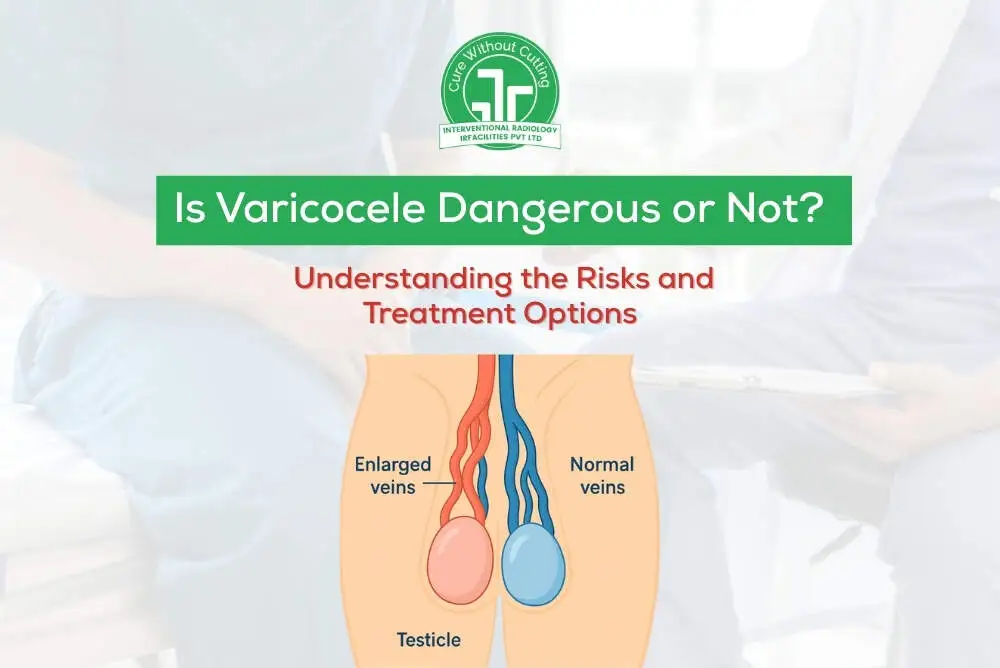
A varicocele is a medical issue that causes the veins in the scrotum get larger like varicose veins on the legs. The condition affects the venous system, which drains of blood out of the testicles. When the valves within the veins fail correctly, blood dries up within the veins, which leads to their expansion. Varicoceles are very common and can affect about 10% of males, typically in the latter part of their teens or adulthood.
Varicocele can be found on either the right or left testicle. However, it is more prevalent to be found on the left because of how the veins are that are involved. The majority of the time it isn't painful however it could cause discomfort and even serious problems if it is not treated.
Varicocele is dangerous or not?
1. Infertility:
One of the biggest problems associated with varicocele concerns its effect on the fertility of males. Varicocele can result in a decrease in the quality and quantity of sperm and is a major cause of male infertility. The higher blood flow and temperature in the testicles due to the larger veins may affect the production of sperm. Varicocele sufferers are at an increased risk of having a low sperm count and poor motility of the sperm and atypical pattern of sperm, all of which could make it more difficult to become pregnant.
2. Testicular Atrophy:
In rare instances varicocele could cause testicular atrophy. In this case, the testicles shrink and lose function. This is due to constant blood flow issues triggered by the increased veins. If not treated this condition could result in an irreparable injury to your testicle impacting the production of hormones and sperm health. It can lead to an increase in testosterone levels, which can affect the overall health and vitality of your.
3. Pain and Discomfort:
While many people with varicocele don't experience any severe pain, some suffer from a mild pain or heavyness within the scrotum. The pain could become evident after exercise or prolonged periods of standing or in temperatures that are hot. Although the pain that comes with varicocele can be controlled however, it may affect the quality of life for a person and could require medical treatment.
4. Psychological Impact:
Varicocele is a condition that, particularly when it is affecting fertility, may cause psychological issues. Stress, anxiety and depression are common among those who struggle with infertility. Knowing the cause and the fact that it is treatable could help relieve certain emotional stress caused by it.
Causes and Risk Factors of Varicocele
The precise cause of varicocele isn't completely known, however a variety of variables can play a role in the development of varicocele. The most frequent reasons and risk factors are:
- Vessels that are failing: The veins in the scrotum contain one-way valves that stop blood from flowing backwards. If these valves do not work properly, blood could accumulate, which causes the veins to expand.
- Anatomical Distinctions: In men, the left testicle dries liquid into the left vein which is likely to be more narrow in comparison to the left renal vein. This could result in increased tension in veins, which can cause varicoceles.
- Genetic Factors: A family history of varicocele can increase the risk of developing this disease.
Symptoms of Varicocele
In many instances varicoceles do not show obvious symptoms, however in the rare event that it is, the symptoms could be a sign of:
- A lump or swelling in the scrotum
- A dull, aching or uncomfortable tenderness in the scrotum that may get worse after exercising
- A visible enlargement of veins in the scrotum (sometimes called"a "bag of worms")
- A smaller size of the testicle, usually on the affected side
- Infertility or difficulty in conceiving
If you're experiencing one of the symptoms listed above it is essential to speak with a doctor such as Dr. Sandeep Sharma at IRfacilities which specializes on male fertility health. A prompt diagnosis and timely treatment could assist in avoiding future complications.
Treatment Options for Varicocele
After we've confirmed that varicocele could be risky if not treated we can look into the treatments available. Dr. Sandeep Sharma at IRfacilities is an specialist in the treatment of varicocele providing individualized treatment to every patient.
1. Surgical Treatment:
The most popular and efficient procedure for treating varicocele is surgical. There are a variety of surgical options to treat varicocele, such as:
- Varicocelectomy: This is a procedure that involves having the veins with a large size are removed or spliced off to stop blood from flowing through the veins. It is the most commonly performed operation for varicocele. It usually performed in an outpatient setting.
- Microsurgical Varicocelectomy: This procedure makes use of the use of a microscope to precisely identify and then remove the affected veins and reduce the chance of causing damage to the surrounding structures. This procedure has a greater success rate and a lower frequency of recurrence than conventional varicocelectomy.
- Laparoscopic Procedure: A minimally invasive procedure where incisions of a small size are made within the abdomen to eliminate or bind the veins that are affected. This procedure has a faster recovery time than conventional surgery.
2. Non-Surgical Treatment:
In some instances there are non-surgical options that can be considered, specifically for patients with mild varicocele but aren't having any significant symptoms. This could include:
- Medical Treatments: Pain relievers such as acetaminophen and ibuprofen can assist in managing discomfort that is caused by varicocele.
- lifestyle changes: Being healthy, staying away from overheated exposure as well as reducing strain on your body could aid in easing symptoms.
3. Fertility Treatments:
If you're a man suffering from varicocele-related infertility, fertility treatment such as in-vitro fertilisation (IVF) as well as intrauterine fertilization (IUI) could be thought of. In some instances varicocele surgery may improve fertility of sperm and increase the chance of conception success.
Conclusion
Are there any risks associated with varicocele? is it not? While it's not life-threatening varicocele may cause serious health issues particularly in the area of fertility. Early diagnosis and treatment are crucial to avoid further harm and increase the odds of having a successful conception. Through surgical or non-surgical options best treatment will improve fertility health.
If you suspect that you've got varicocele, or you are suffering from infertility, don't delay. Call the doctor Dr. Sandeep Sharma at IRfacilities now to book a consult and start the journey toward better health.
Ready to Discuss?
Share your symptoms and reports with our team. We help you understand whether you need treatment now or simple lifestyle changes and follow‑up.