Uterine Fibroid Embolization: The Minimally Invasive Solution Thousands of Women Are Choosing Over Surgery
Every year millions of women struggle with the weight of uterine fibroids the hefty bleeding as well as the pelvic pressure the exhaustion, as well as the anxiety of what's to come. For a long time, hysterectomy was thought to be the "gold standard" answer. However, the field of medicine has changed and in the present, uterine fibroid embolization has changed the debate completely.
If you've recently been told that fibroids are the cause of your problem and you feel that surgery is your only choice this guide is designed the perfect guide for you.
What Are Uterine Fibroids, and Why Do They Matter?
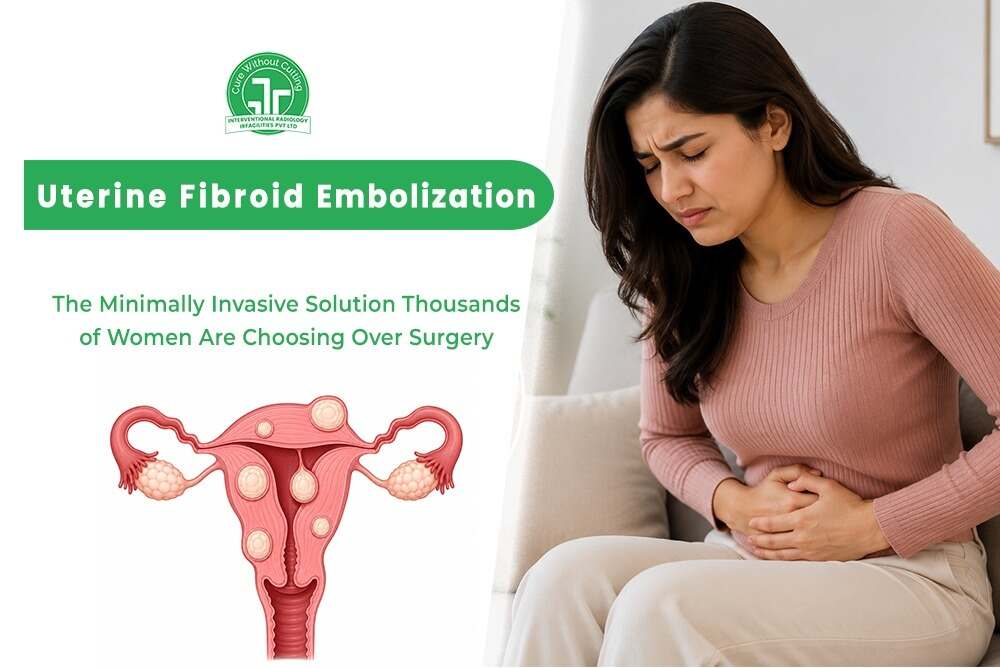
Uterine fibroids are benign growths which develop within the uterus. They can affect 70 to 80 percent of women over 50, but they do not always cause visible symptoms. If they do, the effects can be profound:
- Atypically long or heavy menstrual bleeding
- Pelvic pressure and pain
- Frequent urination
- Lower back discomfort
- A bloated abdomen or an overly large stomach
- In some instances, it can be difficult to understand.
These issues don't only disrupt your life, they take away your energy, impact the quality of your life, and cause serious harm to your professional and mental life. Women typically spend years battling symptoms until they realize there's an alternative path to take.
Understanding Uterine Fibroid Embolization
Uterine fibrid embolization (UFE) is a minimally invasive procedure that is guided by images carried out by an interventional radioologist. Instead of surgically removing the uterus or surgically removing fibroids UFE concentrates on the blood supply that supplies them with nutrients.
Here's how it is done:
- A tiny catheter is placed through a small cut inside the skin typically near the wrist or the groin.
- By using live-time images (fluoroscopy) The interventional radiologist directs the catheter into the uterine arterial.
- tiny particles that are then injected into stop blood flow to fibroids.
- Without blood supply, fibroids begin to shrink and die -- usually shrinking by 40-80% within a matter of months.
The entire procedure usually is less than an hour long it is not a general anesthesia and is performed in an outpatient or short-stay basis. Most women are back to regular activities within 7-10 days, an eerily different experience from the ' typical recovery time of 4-6 weeks for open surgeries.
Why Women Are Choosing UFE Over Traditional Surgery
The move towards embolization of the uterine fibroid isn't only about convenience; it's supported by convincing clinical results and high satisfaction levels. Research consistently shows that more than 85-90 percent of women experience significant relief from symptoms after the procedure.
Its key advantages include:
- Preservation of the uterus - Uterus preservation - UFE does not eliminate the uterus. Women who want to preserve their uterus to protect their personal, cultural or family planning reasons it is a significant advantage.
- Speedier recovery - A shorter times of downtime mean less from family, work and everyday life.
- Lower risk profile - No big incisions, less blood loss and a considerably less chance of sustaining surgical complications.
- Long-term effectivity - Clinical evidence provides long-lasting relief from symptoms with very low recurrence rates if the procedure is done correctly.
- There is no disruption to your hormones - Contrary to other medical treatments for fibroids UFE doesn't interfere with your body's normal hormone cycle.
Is UFE Right for You?
Uterine fibroid embolization is not a universal solution. The success of the procedure depends upon the amount, amount and where your fibroids are located, and also your overall health and plans for pregnancy. A thorough evaluation by an expert before deciding on any treatment.
In IRFacilities we believe that each woman deserves individual attention -not a rush surgery referral. Our team of specialists takes the time to learn about your health issues as well as your lifestyle and your objectives before recommending the best treatment option.
With the guidance of Dr. Sandeep Sharma, a highly skilled Interventional Radiologist, the patients are provided with an extensive fibroid evaluation and a thorough description of the options available as well as a caring and supportive help throughout the treatment process. Dr. Sharma's method combines the highest level of clinical accuracy with a sincere commitment to women's health as well as living quality.
What to Expect After Uterine Fibroid Embolization
After the procedure, you'll likely be afflicted with cramps and mild fatigue for a couple of days while your body adjusts in a way to treatment. Most patients are able to manage this with the help of prescribed medication for pain relief and rest. The follow-up imaging after 3 to 6 months usually confirms the shrinkage of fibroid tissue and improvement in symptom.
Women typically describe their outcomes in stark terms: shorter periods without pain, new energy levels, and perhaps the most important thing -- an increased sense of control over their bodies.
Take the First Step Toward Relief
The struggle with fibroids shouldn't need to be a permanent reality. Uterine fibroid embolization is a well-tested secure, non-invasive, and body-preserving option that is suitable for modern women's lifestyles without the dread of scars, the pain, or the lengthy recovery required by conventional procedures.
If you've heard that surgery is the only option, consider an alternative opinion. Consider uterine fibroid embolization. Make sure you ask the pertinent questions. Take back your health on your terms.
Your uterus. Your choice. Your life.
Ready to Discuss?
Share your symptoms and reports with our team. We help you understand whether you need treatment now or simple lifestyle changes and follow‑up.