Flow Diverter Stent: Complete Patient Guide to Modern Brain Aneurysm Treatment
Most people are aware of portal hypertension only when an event of crisis.
A sudden bleed. A severe abdominal swelling. A scan that is unexpectedly positive alters everything. When these events occur, the disease is typically developing in a quiet manner for a long time, at times, for longer.
This is the gruelling fact of this condition. It offers only a handful of early warning signs. However, once it's identified, portal hypertension treatment in 2026 will be more efficient and more individualized as never before. Patients who are proactive are seeing results that could not have been achieved a decade earlier.
This guide will help you understand the basics you should know about is the issue what causes it and what signs to look out for, and how contemporary treatment looks like in the present.
What Is Portal Hypertension?
Imagine your portal vein in terms of a bloodway. Its function is to transfer the blood that flows through your digestive tract, stomach the pancreas and spleen straight to your liver to filter and process it.
If that highway is closed -- or the liver itself gets too hard and scarred to receive blood normally, the pressure in the vein increases above what it is supposed to. The result is called portal hypertension.
The normal pressure of the veins of the portal ranges from 5-10 mmHg. If it is above 12 mmHg, the body begins suffering. Veins extend beyond their normal limits. Fluid leaks out into areas it shouldn't. Organs that rely on constant healthy blood flow begin to fail.
There is an important point to be aware of. Portal hypertension isn't an illness that is purely asymptomatic. It is always a sign of another issue happening within the body. It is nearly always a connection to liver. The root cause of the problem is the basis of any treatment for portal hypertension strategy that works.
What Causes It?
Doctors generally classify the causes in three categories based on the location from which the issue originated.
Prior to the liver: Blood clots forming in the portal vein or in the splenic vein could block circulation before blood gets to the liver. These are rare but should be checked thoroughly prior to any treatment decisions are taken.
In the lining of your liver: This is where the majority of cases start. Liver cirrhosis is by far the most prevalent cause across the globe. It can develop gradually due to years of excessive drinking, chronic Hepatitis B or C or fatty liver disease or autoimmune Hepatitis. As scar tissue builds within the liver, it stiffens the organ. The blood struggles to move through. The pressure increases steadily with time.
When it comes to South Asian populations, non-cirrhotic portal fibrosis can also be an important and often overlooked reason. Clinicians who work in this region should be aware of it when determining the cause.
Above the liver: Conditions such as the Budd-Chiari syndrome, or right-sided heart problems can cause blood to be trapped inside the liver, causing pressure to push back to the portal system in the opposite direction.
Finding the right cause can change the way the treatment for portal hypertension is handled. A precise, complete diagnosis is not just a formality, it is the foundation of everything.
Warning Signs You Should Never Overlook
Portal hypertension often develops in complete silence. When symptoms begin to manifest it is usually progressed to an advanced stage. Knowing the signs to look for can mean the difference between timely treatment and an emergency that could be life-threatening.
Ascites is among the most well-known symptoms. A lot of fluid accumulates in the abdominal cavity, leading to obvious bloating, the sensation of weight, and difficulty breathing. A lot of patients report having difficulty taking an adequate, relaxed breath. Many notice that their clothes do not fit anymore despite eating normal.
Variceal bleeding is when the veins of stomach or esophagus -extended far be yond their normal dimensionsend up breaking under pressure. Bloody vomit or black and tarry stools are warning indications. It is an emergency medical situation that is urgently required hospital care. Every second counts.
An expanded spleen grows as the organ expands under constant pressure. As it expands it starts capturing blood cells and breaking them down. Platelet counts decrease. The immune system is weakening. Patients are more susceptible to bleeding and infections.
Hepatic Encephalopathy is when the liver cannot any more effectively remove toxins from blood efficiently, and the substances start to reach the brain. The symptoms include confusion, forgetfulness or personality changes as well as disturbances in sleep are symptoms. In the most severe instances one may experience totally lost in thought or lose consciousness.
Jaundice: The yellowing of the skin and the whites of the eyesis a sign that the function of the liver is declining and treatment must be taken to treat it immediately.
Caput medusae: A visible pattern of dilated veins stretching across the navel, is a well-known sign of a clinical condition that skilled physicians are able to recognize when they examine.
All of these signs should not be dismissed, brushed aside or delayed. Early evaluation always leads to better options and more favorable results.
Portal Hypertension Treatment in 2026: A Clear Breakdown
Effective treatment of portal hypertension is a three-pronged approach that works simultaneously -bringing the portal pressure under control, managing complications that may have already occurred and addressing the root issue that is causing the problem.
Here's how each strategy is implemented in real life.
Medications
Beta-blockers, including propranolol and carvedilol are the initial choice for a majority of patients. They lower the pressure at the portal through reducing the heart rate and narrowing blood vessels within the digestive tract. The effects are significant and well-established. It is the foundation of early-stage treatment.
If ascites is the major problem, diuretics like furosemide and spironolactone can aid in the elimination of the excess fluid that it has been building up. In the event of an active variceal bleeding medications such as terlipressin and Octreotide are administered intravenously in order to slow the flow of blood and to stabilize the patient.
Endoscopic Banding
Endoscopic Variceal Ligation, also known as EVL or banding is the most common procedure for treating enlarged esophageal vessels. In an upper endoscopy procedure, tiny rubber bandages are positioned on the varices that have swollen. They cut off the blood supply. In time the varices shrink, and eventually disappear completely.
It is effective, safe and is well-accepted. If you have suffered a bleeding incident and want to keep it as a component of their ongoing carerepeating at regular intervals until the varices have completely cured.
The TIPS Procedure
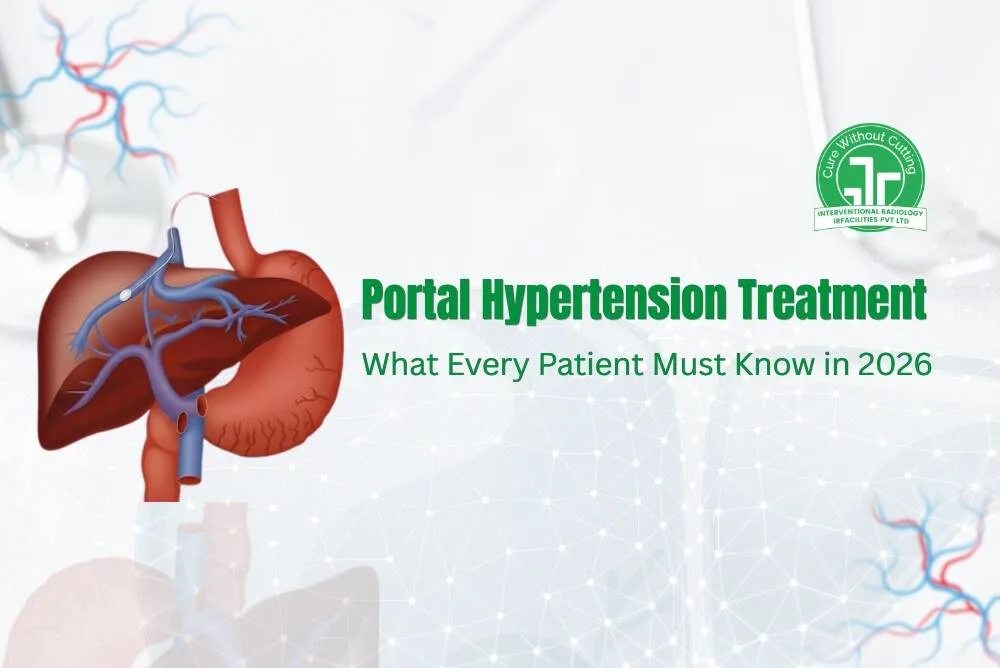
This Transjugular Intrahepatic Portosystemic Shunt -TIPS- remains an extremely powerful treatment options that will be available in 2026.
An interventional radiologist inserts a small stent within the liver and creates a direct connection that connects the portal vein to liver vein. The blood bypasses the damaged thick liver cells that are high resistance. Portal pressure decreases quickly and dramatically.
TIPS is especially effective for patients suffering from persistent ascites that doesn't respond to diuretics or if you haveq recurring variceal bleeds, despite other treatments. Recovery is more rapid than open surgery and with the right patient the results could be astounding.
Surgical Shunts
If TIPS isn't the best option, surgical is a means of physically redirecting blood away from the burdened portal system via bypasses that are created. The recovery process is longer however, for the right patients, surgery can provide lasting, long-lasting relief.
Liver Transplantation
If you suffer from end-stage liver diseases, transplantation is the only solution that solves the issue completely right at the source. It is a replacement for the damaged liver and removes portal hypertension in the process.
The selection of patients is based on MELD scores and the pre-transplant assessment is thorough with a very justification. If a transplant succeeds it can result in an improvement in the patient's life may be lasting and profound.
Lifestyle Choices That Support Your Recovery
The outside of the clinic is as equally as what happens inside the clinic. Simple, regular every day decisions can either improve your treatment or hinder it.
Eliminating alcohol completely is the single most crucial changes to a patient's lifestyle. Even tiny amounts of alcohol can cause damage to the liver which is already in a state of stress and can seriously interfere with the effectiveness of any therapy for portal hypertension program you're adhering to.
Diets that are low in sodium help to keep ascites and fluid retention under control. Refraining from ibuprofen and other painkillers can help protect kidney function which can be stretched for those suffering from cirrhosis.
For those suffering from Hepatitis B or C Modern antiviral treatments can effectively slow down -and even reverse damage to the liver in the proper moment. Regularly scheduled endoscopy check-ups, which are typically every 3 to 5 years, based on risk to ensure that varices are identified and treated prior to them becoming hazardous.
The importance of consistency is paramount in this area. Attend appointments. Make sure you take your medications according to the instructions. Take the steps to provide your body with the best chance of responding to the treatment.
Why the Right Medical Team Changes Everything
This disorder does not react well to disjointed or standard treatment. It requires specialists who can communicate with one another, can comprehend the entire clinical picture and care for the patient before themnot merely a set of tests.
at IRFacilities each patient is given an IRFacilities portal hypertension therapy program that is customized to their particular situation that is the root causes, the severity of the disease, as well as their overall health and conditions. This is not a one-size-fits all approach.
Dr. Sandeep Sharma, a highly skilled hepatologist, brings medical precision and a patient-centered approach to his work. When a patient requires medication treatment or an endoscopic procedure or an evaluation for more advanced interventions Sandeep Sharma is the doctor to call. Sharma makes sure every patient is aware of their treatment and does not feel isolated during the course of treatment.
The Bottom Line
In 2026, those suffering with this disease will are able to access more effective therapy options than the generations before them. Medicines perform better. The procedures are more precise. The long-term results have significantly improved all over all levels.
The one thing that hasn't changed, and probably never will change for the foreseeable future is that getting up early is the most significant impact.
If you feel something is off don't let it worsen. If you have already an illness, you must commit to the treatment plan you have chosen. Keep track of your progress. Get your medical team involved whenever you're in need of.
The liver of your body is able to recover than you would think. If you have the right support -- you are also.
Ready to Discuss?
Share your symptoms and reports with our team. We help you understand whether you need treatment now or simple lifestyle changes and follow‑up.