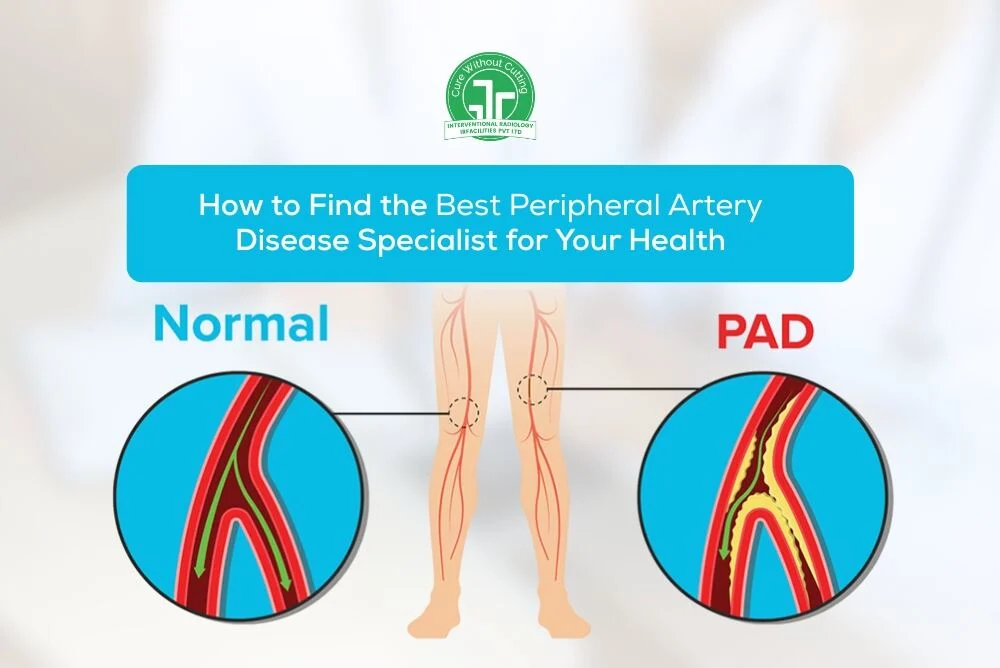
Peripheral arterial disorder (PAD) is a disease that has a huge impact on the lives of millions of people without anyone noticing it. The arteries that carry blood to your limbs are narrowed or blocked because of plaque accumulation. This can cause cramps, pain, or more serious health issues like strokes or heart attacks in the event of not being treated. However, with the correct diagnosis and treatment from an experienced specialist in peripheral artery diseases and PAD specialist, it can be treated efficiently.
In this post, we'll guide readers through PAD's definition, and the reasons to consult an expert in PAD and how to select the most appropriate option to manage the disease and improve your overall health.
What is Peripheral Artery Disease (PAD)?
PAD happens when the arteries which supply blood to the legs (usually leg muscles) get narrowed or blocked. It is usually caused by an accumulation of fatty deposits within the arteries, an issue called atherosclerosis. When arteries get blocked blood flow is reduced and causes symptoms such as leg cramps, leg pain and cold feet.
Although the majority of cases of PAD affect elderly adults, young persons who have risk factors such as hypertension, cholesterol levels or diabetes can also be at risk.
Common signs of PAD are:
- A cramp or pain is felt in the legs after the physical exercise (often known as claudication)
- The sensation of cold or numbness is felt in the feet or legs
- Slow healing of wounds or cuts on the feet or legs.
- A weak or non-existent pulse in the feet or legs.
If not treated, PAD could lead to severe complications such as tissue death or the requirement for Amputation. So, visiting the PAD specialist to determine the condition early and treatment is essential.
Why You Should See a Peripheral Artery Disease Specialist
A specialist in peripheral arterial disease is trained to detect and treat the symptoms of PAD. They can be cardiologists, vascular surgeons and interventional radiologists, all which have the experience needed to deal with issues related to PAD.
Here's why you should speak with the help of a PAD specialist:
- Accurate diagnosis: The signs and symptoms of PAD could be similar to those of other ailments therefore it is important to establish a correct diagnosis. A specialist will conduct tests to determine if PAD is the problem or if there is something else involved.
- Specialized Treatment Plan: Each person's case of PAD is distinct. The PAD specialist will work with you to develop the most effective treatment plan for your particular circumstances. It can involve lifestyle changes and medication and procedures like angioplasty and the placing of stents.
- Modern treatments: PAD professionals have access most up-to-date minimally invasive procedures that improve blood flow and ease discomfort without the need for major operations.
- Long-Term Care: The PAD condition is chronic illness and therefore ongoing treatment is required. A doctor will be monitoring your condition throughout the course of time and alter your treatment plan as necessary to ensure that your symptoms are under control.
How to Choose the Right PAD Specialist
Finding the right doctor is a critical stage in the treatment of your PAD. Here are a few suggestions to help you choose the perfect fit
- Check for certification: Make sure your PAD doctor is board certified.
- The experience of a PAD specialist: The experience of the doctor is crucial. Ask the specialist how long he treats PAD and how successful they have been with different treatment options.
- Comprehensive Methodology: The best PAD specialists employ a comprehensive treatment approach. They tackle the main factors that cause PAD (like excessive cholesterol or smoking) instead of just the symptoms.
- Patient-Centered Care: A good doctor will listen to what you have said, explain the condition clearly, and includes you in making treatment choices. Find a doctor who can be easily reached and who is willing to listen to your concerns.
Treatment Options for Peripheral Artery Disease
Based on the extent of your PAD treatment can involve a mixture of lifestyle modifications, medication and medical procedures. Here are a few common treatments:
- lifestyle changes: The cessation of smoking, eating a heart-healthy diet and working out regularly are some among the best methods to treat PAD. These modifications can help improve circulation and reduce the severity of the condition.
- Medicines: Medications can help to manage PAD symptoms and reduce the chance of developing complications. Common medications comprise blood thinners (to decrease the chance for blood clots) and cholesterol-lowering medications.
- Stenting and Angioplasty: If your PAD is more severe Your doctor might suggest angioplasty (a procedure that aims to open the artery blocked) or Stenting (inserting small tubes to open the artery).
- bypass surgery: For severe cases of PAD the bypass procedure may be needed. The procedure reroutes blood flow around an artery that is blocked and improves blood flow to legs as well as feet.
- Endarterectomy: Sometimes doctors may recommend eliminating plaque buildup in the artery with an operation known as endarterectomy.
The Importance of Early Diagnosis and Care
PAD is a chronic disease that means it is likely to worsen in time, if left untreated. However, if it's diagnosed early and properly treated you can control PAD and avoid complications such as heart attacks or loss of limbs.
CALL TO ACTION: Receive the Assistance You need from a PAD Expert Today
If you're suffering from symptoms of PAD or are a risk factor like smoking, diabetes and high blood pressure don't hesitate to seek treatment. The early treatment you receive could make a huge difference in managing the symptoms of PAD and improve your overall health.
Conclusion
peripheral artery disease specialist can be an extremely serious problem that could result in grave complications if not addressed. With the assistance of a trained specialist in peripheral artery disease to treat the problem effectively and avoid any further problems. Early diagnosis, customized treatment and continuous maintenance are crucial to maintain healthy and improving the your quality of life.
Ready to Discuss?
Share your symptoms and reports with our team. We help you understand whether you need treatment now or simple lifestyle changes and follow‑up.