
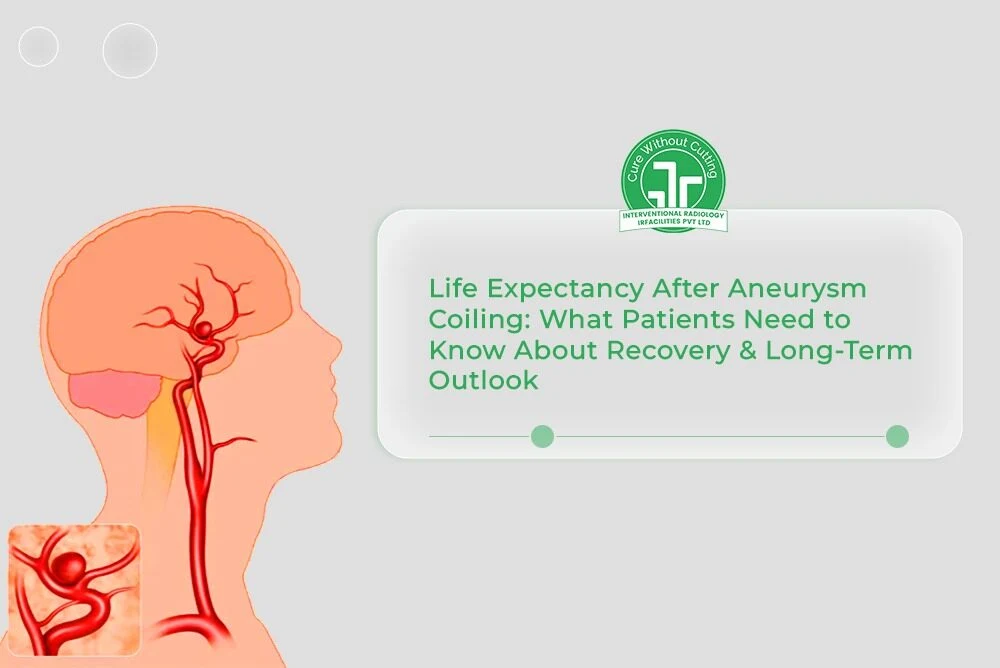
Life Expectancy After Aneurysm Coiling: What Patients Need to Know About Recovery & Long-Term Outlook
A diagnosis of a brain aneurysm could cause a complete disruption to your life. At one point, everything seems normal. In the next, you're confronted with a medical term that can be scary. But here's something that most patients don't hear enough of -aneurysm coiling. the aneurysm coiling procedure and thousands of patients live longer, healthier lives following the procedure.
Should you find yourself or someone else you love is suffering from aneurysms that have popped up recently the largest issue on your mind is likely to be: What happens next? This article answers this question with honesty, clarity and with a lot of optimism.
Arterial Embolization, What Exactly Is Aneurysm Coiling?
Imagine an artery in the brain as a small, balloon-like bulge inside the blood vessel. If it ruptures, consequences could be catastrophic. Aneurysm coiling is the process that stops this from happening.
A surgeon directs the thin tubular structure (catheter) through the veins, which usually enters through the groin or wrist up through the aneurysm. Small platinum coils are inserted in the bulge. The coils cause clot formation which closes the aneurysm. This stops blood from entering it.
No skull opening. No large incisions. A precisely-designed, minimally-invasive treatment that has transformed the lives of countless people.
So, What Is Life Expectancy After Aneurysm Coiling?
It's the question that every patient has -- and the response is positive.
Patients who are successful in the coiling process of an aneurysm that is not ruptured are expected to live a long time that is similar to the population. For the vast majority of people, aneurysm treatment doesn't significantly reduce life expectancy even a bit.
If you're one of those who experienced coiling following an rupture (subarachnoid hemorrhage) outcomes are based on many factors, for example, how quickly treatment was provided as well as the extent of the bleeding and general health. However, advancements in neurovascular treatment ensure that a lot of these patients can live independently, active and joyfully.
This is an important statistic to be aware of: 85 to 90 percent of patients who have aneurysms that are not ruptured and treated by coiling have excellent or excellent long-term results. This is an important statistic to keeping in mind.
Life Expectancy After Aneurysm Coiling is not a one-time number. It is determined by your choices as well as the care and follow-up -all of which are at your fingertips.
What Affects Your Long-Term Outlook?
Many factors determine the performance of patients following coiling. Understanding these influences can help you take an active part for your personal recovery.
Aneurysm Size and LocationAneurysms that are smaller and not ruptured offer the greatest chance of recovery. The position of the brain's blood cardiovascular system can also impact the complexity of the procedure and how quickly recovery can be completed.
Your Age and General HealthPatients younger than those with any pre-existing medical conditions like diabetes or high blood pressure tend to recover faster. However, this does not mean that older patients don't have a good time -- lots of are, particularly when they receive proper medical treatment.
Whether the Aneurysm RupturedThis could be the most important factor. The process of coiling prior to rupture is associated with more favorable outcomes than intervention following a bleeding. The early detection of a problem can save lives.
Consistent Follow-Up ImagingYour doctor is likely to arrange MRI as well as MRA scans at the time of 6 months and 18 months and finally, every year. The scans will detect any changes in the early stages -- before they cause issues. Be sure to not miss them.
Your Lifestyle After the ProcedureLowering your blood pressure and smoking cessation keeping alcohol to a minimum, exercising and reducing stress aren't just great suggestions, they are vital tools to protect your cardiovascular health over the long-term.
What Does Recovery Actually Look Like?
Many patients are surprised by this the recovery after coiling is more gentle than many people imagine.
The majority of patients are up and walking in 24-48 hours. A majority of patients return home within between two and five days. In the days that follow you may experience some fatigue, minor headaches as well as emotional swings and valleys are perfectly normal.
In the course of a few weeks or months, most patients are able to return to their normal routines -cooking, working driving, and having fun with their family. When neurological symptoms result from a blood clot have occurred Rehabilitation through physical therapy, speech therapy or occupational therapy help patients recover their independence gradually and efficiently.
Support for emotional well-being is just as much as physical healing. Many patients find counseling and peer support group beneficial during this time. It's not just about physical healing it's emotionally and mentally too.
Expert Care Makes All the Difference - IRFacilities & Dr. Sandeep Sharma
In the case of brain aneurysms, the group in charge of your treatment is vitally important. In IRFacilities the patients receive top-quality interventional radiology treatment in a caring, patient-focused atmosphere.
Dr. Sandeep Sharma, a highly skilled specialist in endovascular neurosurgery, is able to bring both empathy and precision to each patient. From a thorough pre-procedure assessment to long-term follow-up plans The focus is always on maximizing the quality of your life not just treating aneurysms.
Your Future Is More Promising Than You Think
A brain aneurysm can be very serious. There is no way to deny it. It is, however, treatable and, for the vast majority of people, Life Expectancy After Aneurysm Coiling is very positive.
Modern coiling methods are precise. The recovery is real. Patients who are committed to regular follow-up treatment and a healthy lifestyle will live full and active lives for a long time and even decades following their surgery.
You don't define yourself by the diagnosis you have received. Your definition is determined by the actions you take.
If you have any questions regarding the treatment of aneurysms, recovery timeframes or what to anticipate at any point in the process, you should consult a certified neurovascular specialist. The correct guidance and timing is what makes the difference.
The story you have been told isn't over. It is in many aspects, it's just getting started.
Ready to Discuss?
Share your symptoms and reports with our team. We help you understand whether you need treatment now or simple lifestyle changes and follow‑up.